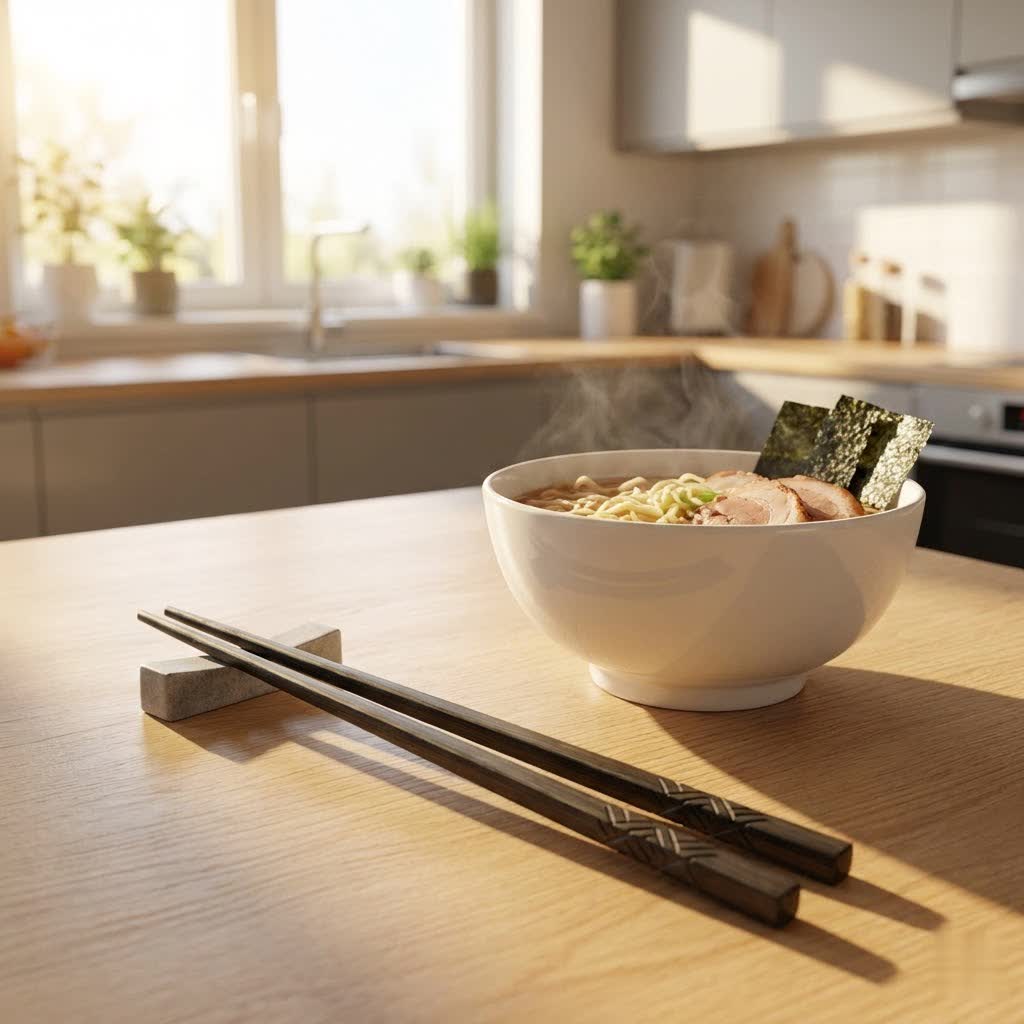
Choosing the right bamboo product, especially from the highly regarded Moso species, can significantly impact its longevity and performance in your home. With countless options available, understanding what truly constitutes high-quality Moso bamboo is essential for making informed decisions, whether you’re selecting elegant flooring, durable furniture, or even everyday household items like chopsticks. Let’s dive into the core characteristics and identifiers that distinguish superior Moso bamboo.
The History and Origins of Moso Bamboo
Moso bamboo, scientifically known as Phyllostachys edulis, boasts a rich history deeply intertwined with Asian culture and culinary traditions. Originating in China, this giant bamboo species has been cultivated for centuries, evolving from a simple resource to a cornerstone of sustainable design and everyday utility. Over time, its versatility and robust nature led to its widespread adoption across various applications, from construction and textiles to the creation of fine household goods. The cultural significance of Moso bamboo lies not only in its practical uses but also in its representation of resilience and ecological balance within the natural world.
Superior Advantages of Moso Bamboo
Moso bamboo stands out among over 1,600 bamboo species due to its exceptional properties, making it a preferred choice for high-quality products.
- Environmental Friendliness: Moso bamboo is celebrated as an incredibly sustainable resource. It is one of the fastest-growing plants globally, reaching maturity in just 4-7 years, a stark contrast to the decades required for traditional hardwoods. This rapid growth allows for annual harvesting without harming the parent plant, preventing deforestation and supporting a continuous supply. Moso bamboo also demonstrates impressive environmental benefits, absorbing significantly more carbon dioxide and releasing more oxygen than equivalent timber forests.
- Health Safety: The intrinsic properties of Moso bamboo, coupled with careful processing, contribute to its safety for health. High-quality Moso products should be processed with low-emission binders and specialty adhesives that contain no added urea-formaldehyde. Reputable manufacturers ensure their products meet strict indoor air quality standards such as CARB P2 or E0, indicating undetectable or very low formaldehyde emissions. Some specialized Moso varieties even possess natural antibacterial properties.
- Durability and Aesthetic Appeal: When mature, Moso bamboo produces the densest and hardest fibers of any bamboo species, making it exceptionally durable. Its natural tensile and compressive strength are comparable to some mild steels, and products like strand-woven Moso bamboo flooring can be two to three times harder than oak. This inherent strength ensures products can withstand heavy use and last for decades. Aesthetically, Moso bamboo offers a beautiful, warm hue and a distinct natural grain that can be enhanced by various finishes, adding elegance and a natural touch to any item.
Common Types of Moso Bamboo Products on the Market
Moso bamboo is transformed into a diverse range of products, each suited for different applications. Understanding these classifications helps in identifying quality based on intended use.
- Disposable Moso Bamboo: Typically found in single-use items like skewers or certain chopsticks, these are convenient but often undergo minimal processing. While generally safe, their environmental impact due to frequent disposal should be considered. Quality here focuses on basic cleanliness and absence of splinters.
- Reusable Moso Bamboo: This category includes everyday items such as cutting boards, utensils, and many types of chopsticks. These products are designed for durability and repeated use, often involving heat treatment and proper sealing to enhance water resistance and longevity. High-quality reusable bamboo is smooth, well-finished, and free from cracks or rough edges.
- Engineered Moso Bamboo Products: This segment covers high-performance materials like flooring, wall panels, and furniture. These products undergo extensive processing, such as strand-weaving (crushing strips into strands and compressing them under high pressure) or laminating, to achieve superior hardness, stability, and dimensional consistency. These engineered products are known for their exceptional strength and resistance to warping and cracking, making them ideal for demanding applications.
Detailed Comparison of Moso Bamboo Product Types
| Feature | Disposable Bamboo | Reusable Bamboo | Engineered Moso Bamboo (e.g., Strand-Woven) |
|---|---|---|---|
| Price | Very Low | Low to Medium | Medium to High |
| Durability | Very Low | Medium | Very High (2-3x harder than oak) |
| Safety | Basic (untreated) | Good (often treated) | Excellent (low emissions, stable) |
| Aesthetics | Rustic/Simple | Natural/Refined | Modern/Sophisticated, consistent grain |
| Environmental | Varies (single-use) | Good (long lifespan) | Excellent (sustainable sourcing, longevity) |
| Processing | Minimal | Heat-treated, finished | Heat-treated, compressed, laminated |
Guide to Selecting Quality Moso Bamboo
Identifying high-quality Moso bamboo requires attention to several key factors that ensure both performance and safety.
- Material Composition: Always opt for Moso bamboo products made from mature culms, typically harvested between five and seven years of age. This maturity ensures maximum fiber density and minimal sugar content, which reduces susceptibility to pests and decay. The bamboo should be naturally processed, avoiding harsh chemicals, and bonded with low-emission adhesives like those meeting CARB P2 or E0 standards.
- Design and Craftsmanship: For products like furniture or panels, inspect the craftsmanship closely. High-quality bamboo should have tight, well-constructed joints, often using traditional techniques like mortise and tenon. The surface should be smooth, splinter-free, and exhibit consistent grain and color. For utensils, ensure they feel balanced and comfortable in hand, with no rough spots.
- Brand Reputation and Certification: Prioritize brands known for transparency and commitment to sustainable and safe practices. Look for certifications such as the Forest Stewardship Council (FSC) or Programme for the Endorsement of Forest Certification (PEFC) for sustainable sourcing. For indoor products, FloorScore or E0/E1 certifications guarantee low formaldehyde emissions and good indoor air quality. ISO 9001 indicates robust quality management, while ISO 14001 points to adherence to international environmental management standards.
Tips for Proper Use and Care of Bamboo Products
To maximize the lifespan and maintain the quality of your Moso bamboo items, proper care is crucial.
- Cleaning and Drying: After use, especially for kitchenware like chopsticks, wash bamboo products by hand with mild soap and water. Avoid dishwashers, as extreme heat and prolonged exposure to water can cause warping or cracking. Thoroughly dry bamboo items immediately after washing, preferably by air-drying in a well-ventilated area, to prevent mold growth.
- Storage Best Practices: Store bamboo products in a dry place away from direct sunlight or extreme temperature fluctuations. For items like cutting boards, occasionally oiling them with food-grade mineral oil can help maintain their moisture balance and prevent drying out and cracking. For chopsticks, a breathable holder will allow them to dry completely.
- Considerations with Food: While Moso bamboo is naturally resistant to bacteria, avoid leaving bamboo kitchenware submerged in water for extended periods. When using bamboo with highly pigmented foods, be aware that staining can occur, though this typically does not affect the material’s integrity.
Moso Bamboo and Health: Key Considerations
While Moso bamboo is generally safe, consumers should be aware of potential risks associated with lower-quality products.
- Potential Risks from Low-Quality Bamboo: Inexpensive bamboo products, especially those manufactured without strict quality controls, may use glues or finishes containing harmful chemicals like high levels of formaldehyde. These can off-gas into the air or leach into food, posing health risks. Inferior bamboo might also be more prone to splinters or mold if not properly treated and maintained.
- Identifying Safe Bamboo Products: Look for clear labeling regarding materials and manufacturing processes. Certifications such as CARB P2 or E0 for formaldehyde emissions are strong indicators of safety. A smooth, well-sealed finish also reduces the likelihood of splinters or moisture absorption. If a product has a strong chemical odor, it’s best to avoid it.
- Quality Certifications to Seek: Always prioritize products with recognized certifications. FSC ensures sustainable harvesting, while CARB P2 or E0 guarantee minimal formaldehyde. ISO 9001 and ISO 14001 reflect a manufacturer’s commitment to quality and environmental management, respectively. For hardness, a high Brinell hardness score indicates superior durability.
“The true measure of Moso bamboo’s quality lies in its density and the integrity of its processing. Mature bamboo, correctly treated, offers unparalleled strength and stability.” – Fanny Cariou, Architect and Marketing Specialist, MOSO Europe SLU
Where to Purchase Reliable Moso Bamboo
Finding trusted sources for Moso bamboo products ensures you invest in quality and sustainability.
- Reputable Home Goods Stores: Many well-known home goods retailers now carry a selection of bamboo products, often including items made from Moso. Look for stores that emphasize sustainable sourcing and provide detailed product information.
- Specialized Kitchen and Home Decor Retailers: These stores often offer higher-end bamboo items, including artisanal chopsticks, cutting boards, and decorative pieces. Staff at these establishments are typically knowledgeable about material origins and care.
- Online Marketplaces and Specialty Websites: Major e-commerce platforms host numerous sellers of bamboo products. When buying online, pay close attention to customer reviews, product descriptions, and look for specific certifications mentioned on the product page. Websites dedicated solely to bamboo products or sustainable living often provide the most comprehensive information and curated selections.
- Artisan Workshops and Craft Fairs: For unique, handcrafted Moso bamboo items, local artisan markets can be a treasure trove. You can often speak directly with the maker about their sourcing and craftsmanship.
Moso Bamboo Buying Guide: Making the Right Choice
Making the best choice for Moso bamboo products involves a systematic approach to align quality with your specific needs.
- Determine Your Usage Needs: Before purchasing, consider the product’s primary function. Will it be exposed to heavy use, like flooring, or used for delicate tasks, such as serving food? This will guide your selection towards specific processing types (e.g., strand-woven for heavy-duty, finely polished for utensils).
- Research Bamboo Types and Production: Familiarize yourself with the differences between Moso and other bamboo species, and understand the various processing methods (e.g., carbonization, lamination, compression). This knowledge empowers you to ask informed questions and evaluate product claims.
- Compare Prices and Quality: High quality often comes with a higher price tag, but it’s an investment in durability and safety. Don’t be swayed by unusually low prices, which can indicate lower-grade bamboo or questionable manufacturing practices. Compare product specifications, certifications, and warranties across different brands.
- Read User Reviews and Expert Opinions: Customer reviews offer practical insights into a product’s real-world performance and durability. Supplement these with expert opinions and industry guides to get a well-rounded perspective before making your final decision.
Conclusion
Identifying high-quality Moso bamboo involves looking beyond surface aesthetics to understand its origins, processing, and certified attributes. From its sustainable cultivation and exceptional strength to its aesthetic appeal and health safety, Moso bamboo, when properly chosen, offers a superior and environmentally conscious choice for a myriad of products. By prioritizing mature bamboo, scrutinizing processing methods, and seeking out key certifications, you can confidently select items that are not only beautiful and durable but also safe for your home and family. What Moso bamboo product will you add to your home next, knowing you can choose with confidence?
Frequently Asked Questions
What makes Moso bamboo superior to other bamboo species?
|
Our Picks for the Best Bamboo chopsticks in 2026
As an Amazon Associate I earn from qualifying purchases.
|
||
| Num | Product | Action |
|---|---|---|
| 1 | 1000 Pairs 8 Inch Disposable Chopsticks, Separated Sleeved Individually Wrapped Disposable Bamboo Chopsticks, Bamboo Wooden for Noodles, Sushi, Asian Food |

|
| 2 | 10Pairs Bamboo Chopsticks Reusable | Dishwasher Safe | Non slip | Chinese -(9.45in) |
|
| 3 | 52USA Disposable Bamboo Chopsticks (100 Sets) - 9'' Long, UV Treated, Individually Wrapped Japanese and Chinese Wooden Chopsticks Bulk |
|
| 4 | 5 pairs of bamboo chopsticks can be reused, classic healthy high-quality natural bamboo chopsticks, can be washed in the dishwasher, 9.8 inches / 25 cm, (pattern: more than every year) |
|
| 5 | 100Pairs Bamboo Chopsticks Disposable | Individually Wrapped | Bulk | Separated | Round | Premium Quality-(9.45in) |
|
| 6 | Albino Monkey 200 Round Separated Disposable Chopsticks | Best for Sushi | Bamboo Wooden Chinese Chop sticks - Bamboo Chopstick Bulk - Disposable Utensils Premium Quality - (100 Pairs) |
|
| 7 | Jucoan 100 Pairs Bamboo Chopsticks Reusable, 9.5" Natural Unpainted Non-Slip Bamboo Chop Sticks, Lightweight Bulk Wooden Chopsticks for Home Restaurant Party, Sushi, Noodles |
|
| 8 | 10 Pairs Bamboo Chopsticks Reusable, Twisted chopsticks Natural Wooden Chopsticks, 9.06 Inch/23cm Dishwasher Safe Lightweight by LANHUTHS |
|
| 9 | Antner 5 Pairs Natural Bamboo Chopsticks Reusable Classic Japanese Style Chop Sticks Gift Sets, Dishwasher Safe, 8.8 Inch/22.5cm |
|
| 10 | ROYALNA 500 pairs Palillos UV Treated Premium Disposable Bamboo Chopsticks Sleeved and Separated (Bamboo, 500 pairs) |
|
Moso bamboo (Phyllostachys edulis) is superior due to its remarkable density and hardness, achieved at optimal maturity (5-7 years). This makes it significantly stronger and more durable than other bamboo types and many hardwoods, ideal for robust applications like flooring and furniture. It also exhibits less shrinkage and swelling, offering greater stability.
Are all Moso bamboo products sustainable?
While Moso bamboo itself is a highly sustainable and rapidly renewable resource, the sustainability of the final product depends on the entire supply chain and manufacturing process. Look for certifications like FSC (Forest Stewardship Council) to ensure responsible sourcing and eco-friendly production methods, including the use of low-emission adhesives.
How can I tell if a Moso bamboo product has harmful chemicals?
High-quality Moso bamboo products will meet stringent indoor air quality standards such as CARB P2, E0, or EN717-1 (E1), indicating very low or undetectable formaldehyde emissions. Avoid products with strong chemical odors or vague “natural” claims without third-party verification, as these may contain harmful glues or finishes.
What is “strand-woven” Moso bamboo and why is it considered high quality?
Strand-woven Moso bamboo is a manufacturing process where bamboo strips are shredded into fibers, mixed with an adhesive, and then compressed under extreme pressure. This process creates an incredibly dense and durable material, often two to three times harder than traditional hardwoods, making it ideal for high-traffic areas and robust applications.