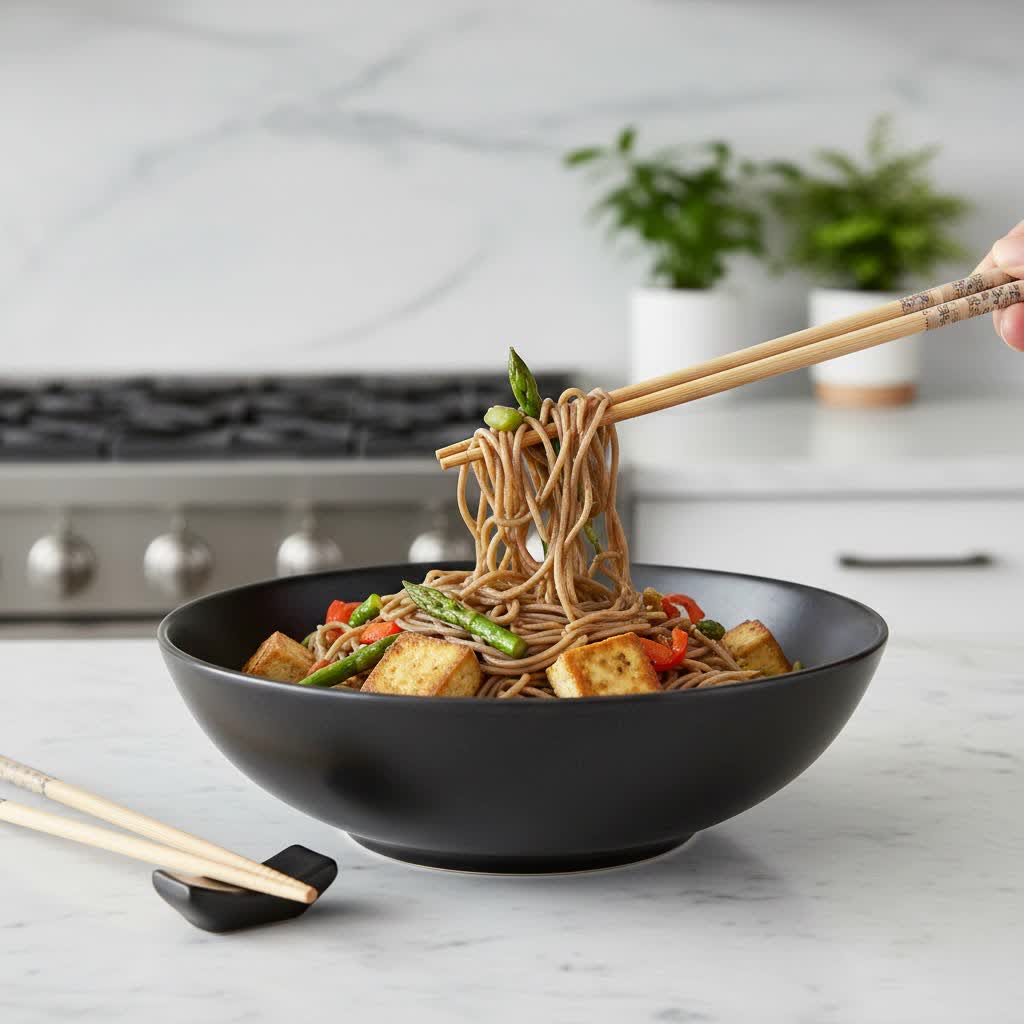
Embarking on the journey with a new pair of raw bamboo chopsticks can elevate your dining experience, but first, a crucial step often overlooked is seasoning them. Just as a chef prepares a new cast-iron pan, treating raw bamboo chopsticks before their inaugural use is essential for their longevity, hygiene, and your overall health. Neglecting this simple preparation can lead to issues like splintering, odor retention, and even bacterial growth. This guide will delve into the critical reasons behind seasoning, offering practical steps to ensure your bamboo chopsticks become a cherished, safe, and durable addition to your kitchen arsenal.
The History and Heritage of Bamboo Chopsticks
Bamboo chopsticks boast a rich history, deeply intertwined with the culinary traditions of Asia for millennia. Originating over six thousand years ago, this simple yet ingenious utensil quickly became indispensable, evolving from rudimentary tools for cooking to refined implements for dining. Bamboo was an early and popular choice due to its abundance, rapid growth, and natural durability. Across various dynasties and cultures, the design and significance of chopsticks varied, yet bamboo remained a staple material, celebrated for its versatility and aesthetic appeal. The cultural importance of chopsticks extends beyond mere utility, symbolizing family unity and shared meals, making their proper care a continuation of this esteemed heritage.
Superior Advantages of Bamboo Chopsticks
Bamboo chopsticks offer a compelling array of benefits that make them a preferred choice for many conscious consumers. Firstly, their environmental friendliness is paramount; bamboo is a highly renewable resource, growing rapidly without the need for extensive pesticides or water, making it a sustainable alternative to plastic or even some hardwoods. Secondly, bamboo inherently possesses natural antibacterial properties, which contribute to a safer dining experience. Furthermore, raw bamboo chopsticks, when properly cared for, exhibit remarkable durability and aesthetic appeal. They are lightweight, comfortable to hold, and possess a unique, natural grain that adds a touch of rustic elegance to any table setting. These qualities ensure that with correct initial preparation and ongoing maintenance, your bamboo chopsticks can serve you reliably for years.
Classifying Common Bamboo Chopsticks on the Market
The market offers a diverse range of bamboo chopsticks, primarily categorized by their intended use and manufacturing process. Understanding these classifications helps in recognizing which types specifically benefit from the seasoning process.
- Disposable Bamboo Chopsticks: Often found in takeout restaurants, these are convenient for single use. They are typically made from softer bamboo or wood and are not designed for long-term reusability. While they reduce dishwashing, their environmental impact due to mass disposal is a concern, and they rarely require personal seasoning.
- Reusable Bamboo Chopsticks: These are designed for repeated use and are often more robust. They can be found either unfinished (raw) or with a protective coating. Unfinished reusable bamboo chopsticks are the primary focus for seasoning, as it enhances their lifespan and hygienic qualities significantly.
- Artisan Bamboo Chopsticks: Handcrafted by skilled artisans, these chopsticks are often unique, reflecting intricate designs and superior craftsmanship. They may or may not come pre-treated, and for raw, artisanal pieces, seasoning is particularly important to preserve their beauty and functionality.
Detailed Comparison of Bamboo Chopsticks Varieties
| Feature | Disposable Bamboo Chopsticks | Reusable Bamboo Chopsticks (Unfinished) | Reusable Bamboo Chopsticks (Finished/Coated) | Artisan Bamboo Chopsticks |
|---|---|---|---|---|
| Price Range | Very low | Low to moderate | Moderate to high | High |
| Durability | Low (single use) | Moderate (with seasoning) | High | Moderate to high |
| Safety | Variable (potential chemicals) | Good (with proper seasoning) | Good | Excellent (often natural) |
| Aesthetics | Basic | Natural, rustic | Polished, modern | Unique, intricate |
| Seasoning Required? | No (not intended for reuse) | Yes (highly recommended) | Usually no (pre-treated) | Often yes (if raw) |
| Lifespan | One meal | Months to years | Years | Years |
| Environmental Impact | High (waste generation) | Low (reusable) | Low (reusable) | Low (reusable) |
Choosing the right type depends on your priorities, but for those seeking a sustainable and long-lasting option, reusable bamboo chopsticks, particularly the raw varieties that benefit from seasoning, are an excellent investment.
Why Raw Bamboo Chopsticks Need Seasoning First
Seasoning new, raw bamboo chopsticks is a critical preparatory step that transforms them from vulnerable raw material into durable, hygienic, and long-lasting utensils. Ignoring this initial treatment can lead to several undesirable outcomes, compromising both their performance and your health.
Firstly, bamboo is a porous material. Without seasoning, its surface is open to absorbing moisture, oils, and food particles from every meal. This absorption can lead to splintering, cracking, and warping over time, significantly shortening the lifespan of your chopsticks. Imagine a wooden cutting board left untreated; it quickly shows wear and tear. Bamboo chopsticks are no different. The absorbed moisture can cause the fibers to swell and then shrink, leading to structural damage.
Secondly, raw bamboo can be a breeding ground for bacteria and mold. Food residues that seep into the unsealed pores can become trapped, creating an environment ripe for microbial growth, even with regular washing. This not only poses a health risk but also results in unpleasant odors and stains that are difficult to remove. A seasoned surface creates a protective barrier, preventing deep penetration of food and moisture, making cleaning more effective and reducing the risk of contamination.
Furthermore, new bamboo products can sometimes carry residual chemicals from their manufacturing process, such as acids, bleaches, or other treatments used for cleaning or preserving during production and transport. While reputable manufacturers aim to minimize these, an initial thorough wash and boil (a form of “seasoning”) helps to leach out any remaining undesirable substances, ensuring the chopsticks are safe for food contact. Seasoning with food-grade oils also seals these pores, preventing any future unwanted absorption.
“Treating raw bamboo utensils before their first use is paramount. It’s not merely about aesthetics; it’s a fundamental step in ensuring food safety and extending the natural life of the material.” – Dr. Anya Sharma, Material Science Expert focusing on Sustainable Home Goods.
In essence, seasoning acts as a protective shield, enhancing the bamboo’s natural resilience, preventing damage, and maintaining a hygienic surface for your dining pleasure.
Guide to Choosing Quality Bamboo Chopsticks
Selecting high-quality bamboo chopsticks is the first step towards a fulfilling and sustainable dining experience. Here’s what to look for:
- Material Integrity: Opt for chopsticks made from 100% natural bamboo, free from visible splinters, rough patches, or inconsistencies in texture. The bamboo should feel smooth but not overly slick, indicating it hasn’t been heavily lacquered with potentially harmful coatings. Look for products that explicitly state “no chemicals,” “food-safe,” or “natural finish.”
- Craftsmanship and Design: Good quality chopsticks will be uniform in shape and thickness, ensuring a comfortable grip and ease of use. Inspect the tips for a fine taper, which aids in picking up various foods. While decorative elements can be appealing, prioritize functionality and the integrity of the bamboo itself.
- Reputable Brands and Certifications: Whenever possible, choose chopsticks from brands known for their ethical sourcing and manufacturing practices. Look for certifications that attest to the bamboo’s origin (e.g., sustainably harvested) or safety standards (e.g., FDA-approved for food contact). Reading customer reviews can also provide insights into the real-world durability and user experience.
Investing in quality raw bamboo chopsticks sets the stage for effective seasoning and a long, satisfying lifespan.
Tips for Proper Use and Maintenance of Seasoned Bamboo Chopsticks
Once your raw bamboo chopsticks are seasoned, maintaining them properly is key to preserving their benefits and extending their life.
The Initial Preparation and Seasoning Process
Table is empty.- First Wash: Begin by gently hand-washing your new raw bamboo chopsticks with warm water and a mild dish soap. Use a soft sponge or cloth to thoroughly clean the surface, removing any dust, residues, or loose fibers from manufacturing.
- Boiling (Optional but Recommended for Raw): To further sanitize and open up the pores for seasoning, some experts recommend boiling new bamboo chopsticks. Submerge them in a pot of water and bring to a gentle boil for 15-30 minutes. This helps remove any deeper-seated impurities or remaining chemicals. If your chopsticks have a peculiar smell, soaking them in vinegar or boiling them in tea water for half an hour can also help (Source 3 from second search query). After boiling, let them cool naturally.
- Thorough Drying: This is a crucial step after washing or boiling. Immediately dry your chopsticks with a soft, lint-free cloth. Then, allow them to air-dry completely in a well-ventilated area. Standing them upright in a chopstick holder or laying them flat on a clean towel works best. Never leave them to soak in water or put them in a dishwasher, as this can lead to warping, cracking, and mold growth (Source 2 from first search query, Source 5 from first search query).
- The Seasoning Oil Application: Once completely dry, apply a thin, even layer of food-grade mineral oil or a “drying” (polymerizing) oil. Avoid edible cooking oils like olive oil or vegetable oil for seasoning, as they can go rancid within the bamboo’s pores over time (Source 1 from first search query, Source 3 from first search query). Use a soft cloth to rub the oil into the bamboo, covering all surfaces.
- Allow to Absorb: Let the oil penetrate the bamboo for several hours, or even overnight. You might see the bamboo “drink up” the oil.
- Wipe Off Excess: After absorption, use a clean, dry cloth to wipe off any excess oil from the surface. The goal is to condition the bamboo, not to leave a greasy residue.
- Repeat (Optional): For enhanced protection, you can repeat the oiling process 2-3 times over 24-48 hours, allowing for absorption and wiping off excess each time. This builds up a more robust protective layer.
Ongoing Care for Seasoned Chopsticks
- Hand Wash Only: Always hand wash your bamboo chopsticks with warm water and mild soap immediately after use. Avoid abrasive scrubbers.
- Prompt Drying: Just like the initial drying, ensure they are thoroughly dried with a cloth and then air-dried before storing.
- Proper Storage: Store your chopsticks in a dry, well-ventilated area, away from direct sunlight or extreme temperature changes. A chopstick rest or a breathable container is ideal. Avoid damp, enclosed drawers.
- Re-oiling: Depending on usage, lightly re-oil your bamboo chopsticks every 3-6 months with food-grade mineral oil to maintain their protective barrier (Source 4 from first search query).
Bamboo Chopsticks and Health: Essential Considerations
The health implications of using bamboo chopsticks, particularly raw ones, are significant and underscore the importance of proper seasoning and care. Unseasoned bamboo can pose several risks that are largely mitigated through effective preparation.
One primary concern is the leaching of manufacturing chemicals. As noted, some disposable or low-quality reusable chopsticks might be treated with chemicals like bleach, sulfur dioxide, or paraffin during production to enhance appearance or preserve them. These chemicals, especially paraffin, can be harmful if ingested and may leach into hot foods or liquids (Source 2 from third search query). Thorough initial washing and boiling, followed by seasoning, helps to create a barrier and reduce the likelihood of these substances contaminating your meals.
Secondly, the porous nature of raw bamboo makes it susceptible to harboring bacteria and mold. When food particles and moisture seep into the unsealed pores, they provide a breeding ground for microorganisms, even after washing. This can lead to unpleasant odors, discoloration, and, more importantly, the potential for foodborne illness (Source 1 from third search query). Seasoning creates a smooth, water-resistant surface that prevents deep penetration, allowing for more effective cleaning and significantly reducing bacterial accumulation.
To ensure you are using safe bamboo chopsticks, look for products that are:
- Clearly labeled as “food-grade” or “food-safe.”
- Unfinished or naturally finished, allowing you to season them yourself.
- From reputable brands that adhere to quality and safety standards.
- Free from any strong chemical odors upon purchase.
By taking the time to season your raw bamboo chopsticks, you are not only protecting your utensils but also safeguarding your health and enhancing your dining experience.
Where to Buy Quality Raw Bamboo Chopsticks
Finding high-quality raw bamboo chopsticks that are perfect for seasoning requires knowing where to look. Here are some reliable avenues:
- Specialty Asian Markets: These stores often carry a wider selection of authentic kitchenware, including untreated bamboo chopsticks, sometimes from smaller, artisan producers. You can often inspect the quality firsthand.
- Online Eco-friendly Retailers: Websites specializing in sustainable or natural home goods are excellent sources. They typically provide detailed product descriptions, including whether the bamboo is raw, untreated, and suitable for seasoning.
- Direct from Craftspeople/Artisans: If you appreciate unique, handcrafted items, consider purchasing directly from artisans who specialize in bamboo products. Many can be found on online marketplaces like Etsy or at local craft fairs. They can often provide insights into the bamboo’s origin and preparation recommendations.
- Reputable Home Goods Stores: Some higher-end kitchenware or home goods stores might stock quality raw bamboo chopsticks as part of their sustainable or natural product lines.
When purchasing, always check product descriptions for mentions of “raw,” “untreated,” or “natural finish” to ensure they are suitable for your seasoning process.
Comprehensive Buying Guide for Raw Bamboo Chopsticks
Making an informed decision when purchasing raw bamboo chopsticks ensures you get a product that meets your needs and can be properly seasoned for optimal performance.
-
Define Your Needs:
- Household Use: Are these for daily family meals, or special occasions? This might influence the quantity and aesthetic you choose.
- Personal Use: If you carry your own chopsticks, you might prioritize a compact, durable pair.
- Cooking vs. Eating: Longer, thicker bamboo chopsticks are often preferred for cooking, while shorter, more tapered ones are ideal for eating.
-
Understand Bamboo Types and Production:
- Moso Bamboo: A common and strong variety used for many bamboo products.
- Unfinished vs. Finished: Explicitly seek “unfinished” or “raw” bamboo if your intent is to season them yourself. Finished chopsticks may have coatings that prevent oil absorption.
- Processing: Be aware that some bamboo might undergo basic treatment (like steaming) during manufacturing, which is generally fine. Avoid products with heavy chemical treatments if you’re aiming for a natural utensil.
-
Compare Price and Quality:
- While raw bamboo chopsticks are generally affordable, significant price discrepancies can indicate differences in bamboo quality, craftsmanship, or ethical sourcing.
- Read reviews from other users regarding durability, ease of seasoning, and any issues like splintering or warping. Pay attention to how the chopsticks fare after repeated washing and use.
-
Check for Certifications and Transparency:
- Look for any certifications related to sustainable harvesting or food safety standards.
- Brands that are transparent about their sourcing and manufacturing processes are often more reliable.
- Don’t hesitate to contact sellers with questions about the product’s treatment or origin if details are unclear.
By diligently following this buying guide, you’ll be well-equipped to select raw bamboo chopsticks that are not only eco-friendly but also perfectly suited for seasoning, guaranteeing a safe, durable, and enjoyable dining experience.
Conclusion
The journey with raw bamboo chopsticks truly begins not when you pick them up for the first time, but when you dedicate a few moments to their proper seasoning. This vital preparatory step—involving a thorough cleaning, optional boiling, and the careful application of food-grade oil—is far more than a mere ritual; it’s an essential process that profoundly impacts the hygiene, durability, and overall lifespan of your beloved utensils. By creating a protective barrier, seasoning prevents moisture and food particles from seeping into the porous bamboo, thereby guarding against unsightly stains, unpleasant odors, bacterial proliferation, and premature damage like warping or splintering.
Embracing the practice of seasoning your bamboo chopsticks is a small investment of time that yields significant rewards, ensuring they remain safe, beautiful, and functional companions at your dining table for years to come. It’s a testament to mindful living and sustainable practices, transforming a simple kitchen tool into a cherished piece of your culinary tradition. What steps will you take today to ensure your bamboo chopsticks are perfectly prepared for a lifetime of healthy and enjoyable meals?
Frequently Asked Questions
What happens if I don’t season raw bamboo chopsticks?
If you skip seasoning, raw bamboo chopsticks can become more susceptible to absorbing food particles and moisture, leading to splintering, cracking, warping, and the potential growth of mold and bacteria. They may also retain food odors and stains more easily, and any residual manufacturing chemicals might leach into your food.
Can I use olive oil or other cooking oils for seasoning bamboo chopsticks?
It is generally not recommended to use edible cooking oils like olive oil, vegetable oil, or coconut oil for seasoning bamboo chopsticks (or other wooden utensils) because these oils can go rancid over time, leading to unpleasant smells and flavors. Instead, use a food-grade mineral oil or a “drying” (polymerizing) oil, which hardens and creates a more durable, non-rancid finish.
How often should I re-season my bamboo chopsticks?
After the initial seasoning, the frequency of re-oiling depends on how often you use and wash your chopsticks. As a general guideline, a light re-oiling with food-grade mineral oil every 3-6 months is recommended to maintain their protective barrier and keep the bamboo conditioned. You’ll notice the bamboo looking dry or dull when it’s time for re-seasoning.
Can seasoning help remove a strange smell from new bamboo chopsticks?
While seasoning itself primarily forms a protective layer, the initial cleaning and boiling process, often considered part of the “seasoning” preparation, can help remove peculiar smells. Soaking them in vinegar or boiling them in tea water for half an hour is also suggested for new chopsticks with odors, as these methods can help draw out impurities before oiling.
Are all bamboo chopsticks safe to season with oil?
Most raw, unfinished Bamboo Chopsticks are suitable for oil seasoning. However, if your chopsticks come with a pre-existing lacquer or synthetic coating, oil seasoning may not be effective as the coating will prevent the oil from penetrating the bamboo fibers. Always check the product description to confirm if they are raw or naturally finished.