The world of culinary tools offers a fascinating array of designs, and few are as culturally significant and varied as chopsticks. While seemingly simple, these eating utensils come in numerous forms, each meticulously crafted to suit specific dining traditions and food types. Among the most popular and eco-friendly options are bamboo chopsticks, yet even within this material, a significant distinction exists between Japanese and Chinese designs, primarily evident in their unique shapes. Understanding these differences can enhance your dining experience and appreciation for East Asian cultures.
History and Origins of Bamboo Chopsticks
Chopsticks boast a rich history spanning thousands of years, originating in ancient China before spreading to other Asian countries like Japan, Korea, and Vietnam. Initially used for cooking, their adoption as eating utensils marked a pivotal shift in dining etiquette. As chopsticks traveled across borders, their designs evolved, adapting to local customs, culinary practices, and available materials. Bamboo, being abundant, lightweight, and easily renewable, quickly became a favored material across these regions. The evolution of chopstick shapes, from their blunt beginnings to the delicate points seen today, reflects a fascinating journey of cultural adaptation and culinary innovation.
Superior Advantages of Bamboo Chopsticks
Beyond their cultural significance, bamboo chopsticks offer a range of practical advantages that make them a preferred choice for many. Firstly, their environmental friendliness stands out; bamboo is a highly sustainable resource, growing rapidly and requiring minimal water, making it an excellent alternative to plastic or unsustainable wood. Secondly, bamboo boasts natural antibacterial properties, contributing to their safety for health, provided they are properly cleaned and maintained. Lastly, bamboo chopsticks combine durability with aesthetic appeal. They are resilient enough for daily use, yet their natural grain and warm tones offer an elegant, earthy touch to any table setting, far surpassing the often sterile look of plastic or metal.
Understanding Chopstick Variety: Japanese vs. Chinese Shapes
When comparing Japanese and Chinese bamboo chopsticks, their distinct shapes immediately reveal their intended use and cultural contexts. These differences are not arbitrary but are deeply rooted in the unique culinary traditions of each nation.
The Chinese Chopstick Form
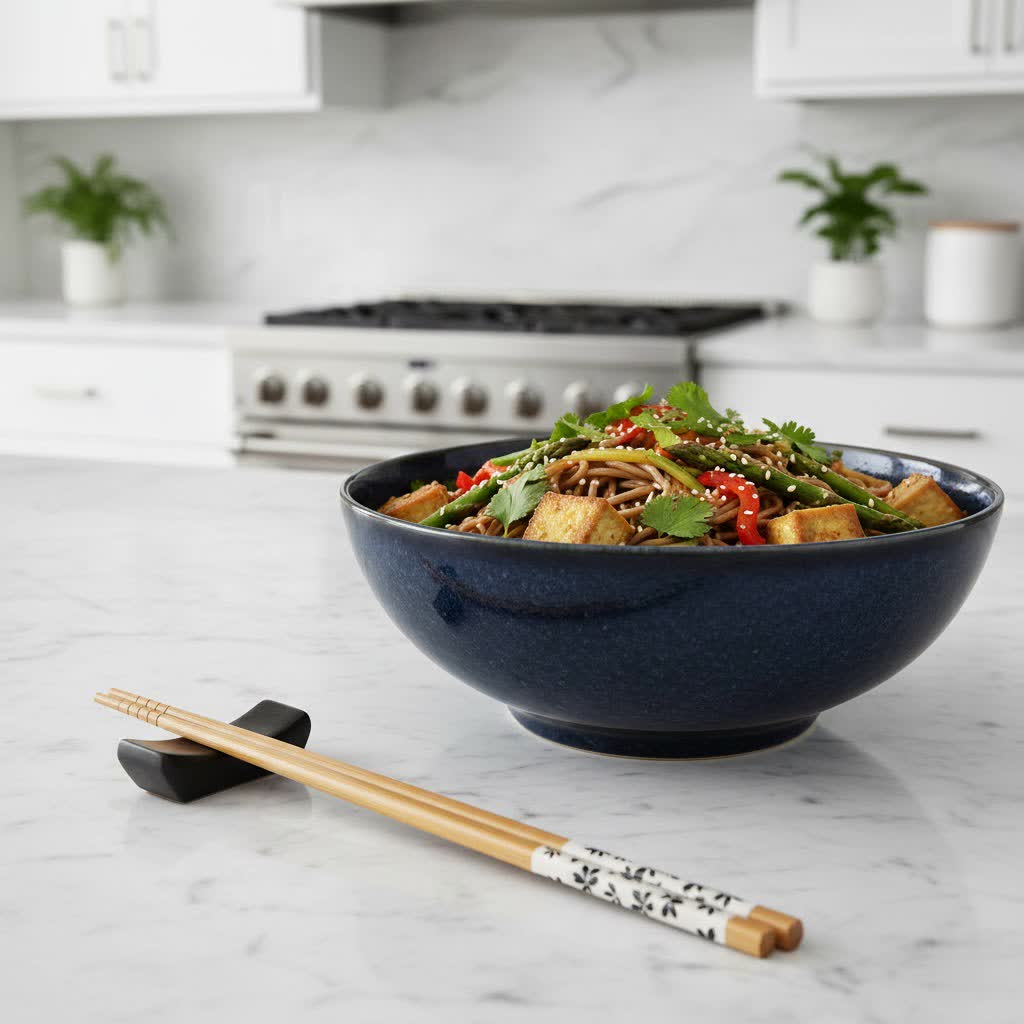
Table is empty.Chinese bamboo chopsticks are typically characterized by their longer length and thicker body. Measuring approximately 24-26 centimeters, they feature a more substantial, often round or square base that tapers slightly to a blunt or rounded tip. This design is highly functional for the traditional Chinese dining style, which often involves communal meals where dishes are shared from large plates placed in the center of the table. The extra length allows diners to comfortably reach for food from across the table without stretching awkwardly or risking burns from hot serving vessels. The blunt, sturdy tip is ideal for grasping larger, often heartier portions of food, reflecting a culinary tradition that emphasizes shared abundance and varied textures.
The Japanese Chopstick Form
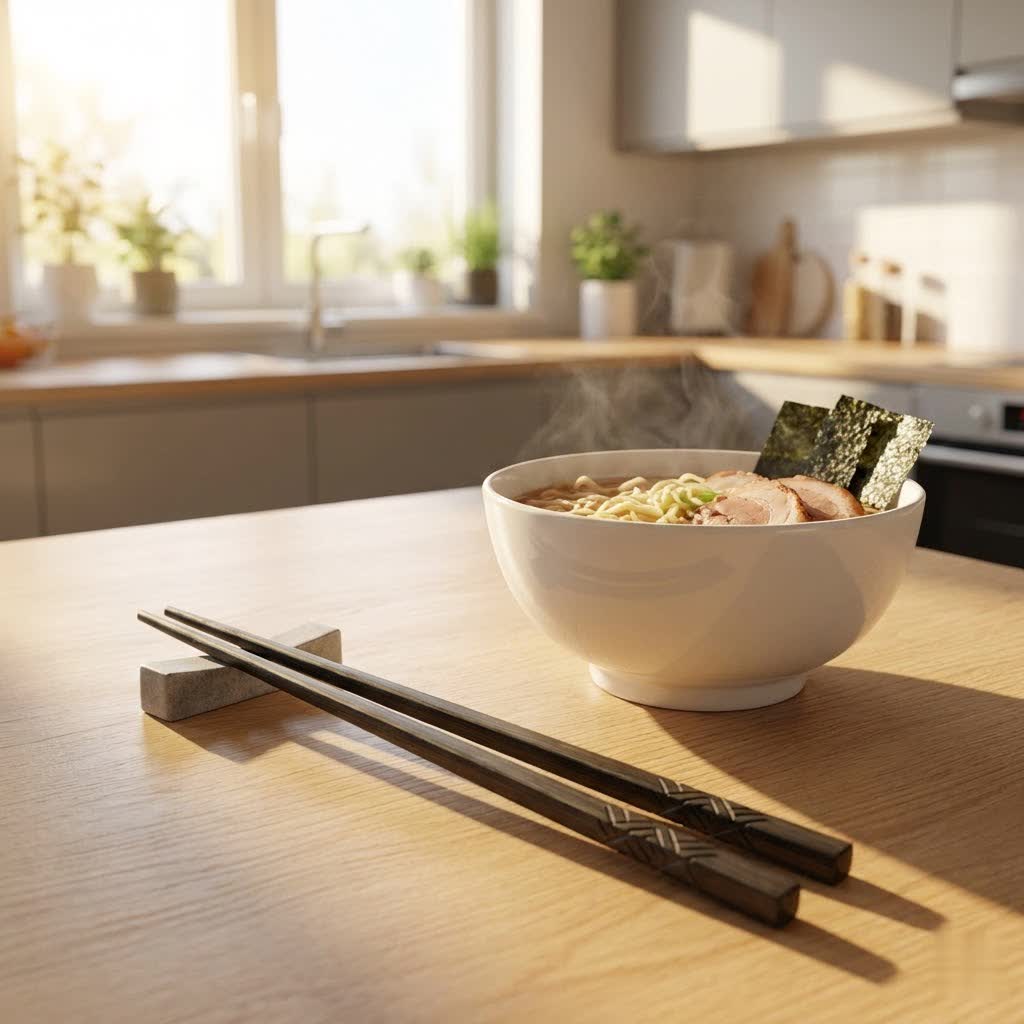
In contrast, Japanese bamboo chopsticks are notably shorter and more delicate. They generally range from 21-23 centimeters in length and feature a tapered body that narrows significantly to a fine, sharp point. While the handle might be squarish with rounded edges for a comfortable grip, the emphasis is always on that precise, slender tip. This design is perfectly suited for traditional Japanese dining, which often involves individual servings and a strong focus on delicate, meticulously prepared dishes. The fine point allows for exceptional precision, making it easier to pick up small, intricate items like individual grains of rice, carefully placed garnishes, or to delicately remove small bones from fish, a common staple in the Japanese diet.
Detailed Comparison Table of Japanese and Chinese Bamboo Chopsticks
To further highlight the distinctions, here’s a direct comparison of their primary characteristics:
| Feature | Japanese Bamboo Chopsticks | Chinese Bamboo Chopsticks |
|---|---|---|
| Length | Shorter (approx. 21-23 cm) | Longer (approx. 24-26 cm) |
| Tip Shape | Fine, sharp, pointed | Blunt, rounded |
| Body Shape | Tapered, often with a squarish handle | Thicker, often round or square body |
| Primary Use | Precision picking, individual servings, fish | Communal dining, larger portions, reaching |
| Cultural Context | Individual plates, delicate presentation | Shared dishes, family-style meals |
| Ergonomics | Designed for delicate manipulation | Designed for reach and sturdy grip |
Choosing Quality Bamboo Chopsticks: Shape Considerations
When selecting bamboo chopsticks, considering the shape relative to your intended use is paramount. First, always prioritize natural bamboo that is free from harsh chemicals or artificial dyes, regardless of the shape. Look for a smooth finish without splinters. Second, the style and ergonomics are key: choose a shape that feels comfortable and natural in your hand. Japanese-style chopsticks with a finer point are excellent for intricate tasks and lighter fare, while longer, blunter Chinese-style chopsticks are superb for shared meals and heartier dishes. Lastly, opt for a reputable brand that provides clear information about their product’s sourcing and manufacturing, often indicated by quality certifications.
Care and Maintenance for Shaped Bamboo Chopsticks
Proper care ensures the longevity and hygiene of your bamboo chopsticks. After each use, hand wash them gently with mild soap and warm water. Avoid prolonged soaking, which can cause the bamboo to warp or crack. Thoroughly dry your chopsticks immediately after washing, ideally by air-drying them in an upright position or with a clean towel, to prevent mold and mildew growth. Store them in a dry, well-ventilated area. These simple steps will help maintain their integrity and natural beauty, ensuring they remain a safe and appealing part of your dining experience for years.
Bamboo Chopsticks and Health: The Role of Shape
While bamboo itself is a healthy and safe material, the manufacturing process and quality of the finished product can impact health. Poorly made bamboo chopsticks, regardless of their specific shape, might pose potential risks from sharp splinters or the presence of harmful chemicals from glues or finishes. To ensure you’re using safe bamboo chopsticks, always look for products that are advertised as natural, untreated bamboo. The physical shape itself, whether pointed or blunt, primarily affects usability, but the integrity of the material and finish is crucial for health. Seek out certifications that guarantee food-grade materials and ethical manufacturing practices.
Where to Buy Authentic Bamboo Chopsticks
Finding authentic and high-quality bamboo chopsticks, whether Japanese or Chinese in shape, is easier than ever. You can explore specialty kitchenware stores or Asian markets, which often carry a diverse selection and allow you to physically inspect the chopsticks. Online retailers specializing in home goods or Asian cultural items are another excellent source, often providing a broader range of styles and price points. For truly unique or handcrafted pieces, consider looking into artisan workshops or sellers on craft platforms who focus on traditional bamboo craftsmanship.
Bamboo Chopsticks Buying Guide
Navigating the choices available for bamboo chopsticks can be simplified by following a clear buying guide focused on their shape and utility.
- Determine Your Dining Needs: Consider how you typically eat. Do you prefer individual portions with delicate items, or do you frequently share large, family-style dishes? This will guide your choice between Japanese-style pointed tips for precision or Chinese-style blunt tips for reach and grip.
- Research Bamboo Types and Production: While most bamboo chopsticks are made from common varieties, understanding if they are treated, lacquered, or left in their natural state can inform your decision about durability and aesthetic.
- Compare Prices and Quality: Don’t just pick the cheapest option. High-quality bamboo chopsticks, while perhaps a bit more expensive, will offer better ergonomics, durability, and a safer dining experience. Pay attention to the smoothness of the finish and the consistency of the shape.
- Read User Reviews: Customer feedback can offer invaluable insights into the real-world performance, comfort, and longevity of specific chopstick shapes and brands.
“The subtle variations in chopstick design across Asian cultures are a testament to how practical tools can evolve into culturally resonant artifacts, each shape telling a story of unique culinary traditions.” – Dr. Mei Lin, East Asian Cultural Anthropologist
Conclusion
The distinction between Japanese and Chinese Bamboo Chopsticks, most notably in their shapes, is far more than a mere design choice; it reflects centuries of distinct culinary practices and cultural values. From the elegant, sharply pointed Japanese style tailored for precision and individual dining, to the longer, blunt Chinese form designed for communal feasting and substantial portions, each offers a unique approach to eating. Opting for bamboo ensures you’re choosing an environmentally conscious and naturally safe utensil. By understanding these subtle yet significant differences, you can select the perfect pair to complement your dining style, bringing a touch of authentic Asian tradition to your table. Which shape best suits your culinary adventures?
Frequently Asked Questions
Why are Japanese chopsticks typically shorter and more pointed?
Japanese chopsticks are shorter and more pointed primarily because Japanese cuisine often involves individual portions and dishes that require delicate handling. The sharp tip is ideal for precise tasks such as deboning fish, picking up small garnishes, or handling individual grains of rice, enhancing the meticulous presentation of Japanese meals.
What is the advantage of Chinese chopsticks being longer and having blunt tips?
Chinese chopsticks are designed to be longer and feature blunt tips to facilitate communal dining, a cornerstone of Chinese culinary tradition. The extended length allows diners to comfortably reach shared dishes across a large table without straining, while the blunt tip provides a sturdy grip for larger, heartier portions of food.
Can I use Japanese chopsticks for Chinese food and vice versa?
While you certainly can use any chopsticks you prefer, using the traditional shape for its intended cuisine often enhances the dining experience. Japanese chopsticks might feel less effective for scooping from large communal dishes, and Chinese chopsticks might lack the precision needed for delicate Japanese preparations.