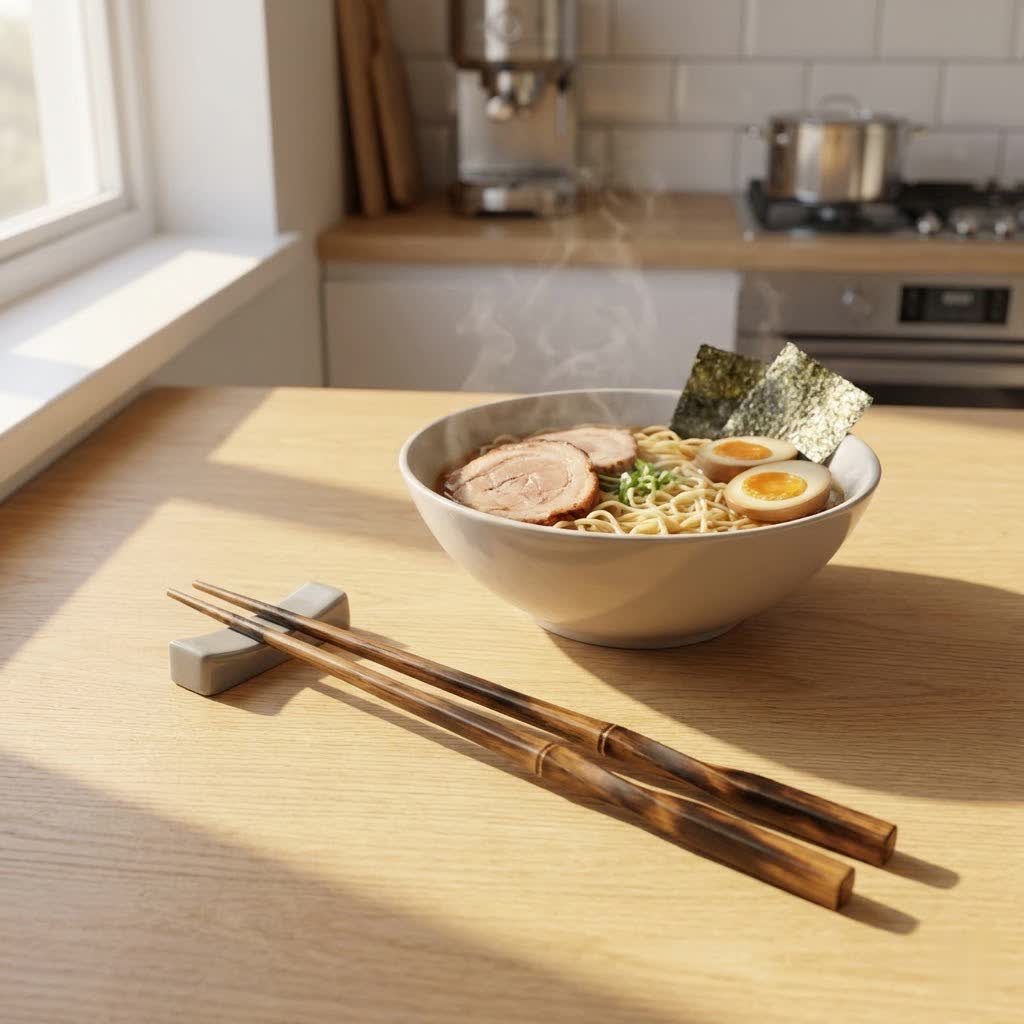
Recovering from an illness often means a renewed focus on hygiene, and your kitchen utensils, especially frequently used items like chopsticks, shouldn’t be overlooked. While you might diligently clean dishes, the porous nature of many chopsticks, particularly bamboo and wood, can harbor germs if not properly sanitized after someone has been unwell. Ensuring your chopsticks are thoroughly disinfected helps prevent re-infection and stops the spread of sickness to others in your household. This guide will walk you through effective do-it-yourself methods to sanitize your reusable chopsticks, keeping your family healthy and your dining experience safe.
Why Sanitizing Your Chopsticks After Illness Is Crucial
When a family member has been sick, whether with a common cold, flu, or a more serious infection, germs can easily transfer to everyday items like chopsticks. Viruses and bacteria, including concerning pathogens like H. pylori, which is linked to stomach ulcers, can linger on surfaces. Even after the initial illness subsides, inadequate cleaning can lead to cross-contamination, potentially re-infecting the person or spreading the illness to others. Wooden and bamboo chopsticks, with their natural, porous structures, are particularly susceptible to absorbing moisture and food particles, creating tiny crevices where bacteria and mold can thrive if not meticulously cleaned and sanitized. Prioritizing this step is a simple yet vital part of maintaining a healthy home environment.
Understanding Your Chopstick Material: A Key to Safe Sanitization
The best sanitization method largely depends on the material of your chopsticks. Each material has unique properties that dictate how it should be cleaned to be effective without causing damage.
- Bamboo and Wood Chopsticks: These are popular for their natural feel and aesthetic, but their porous nature makes them more delicate. They can easily absorb moisture, leading to warping, cracking, or mold if soaked for too long or exposed to excessive heat. Hand-washing is almost always paramount, and harsh chemicals should be avoided.
- Metal Chopsticks: Often made from stainless steel, metal chopsticks are highly durable, non-porous, and resistant to heat. They are generally dishwasher-safe and can withstand more rigorous sanitization methods, making them an excellent hygienic choice.
- Plastic/Melamine Chopsticks: These come in various grades, and their heat tolerance can differ. Many types are dishwasher-safe, but it’s crucial to check manufacturer guidelines. Poor-quality plastic can degrade, scratch, and leach chemicals if exposed to very high temperatures.
Essential DIY Sanitization Methods for Reusable Chopsticks
After an illness, a standard wash with soap and water might not be enough to eliminate all lingering pathogens. Fortunately, several effective DIY methods can ensure your chopsticks are truly clean and safe for use.
The Boiling Water Method (Ideal for Unfinished Wood/Bamboo)
Boiling water is a time-tested and chemical-free way to sanitize. The high heat effectively kills most surface bacteria and viruses.
- Pre-cleaning: Always begin by thoroughly washing your chopsticks with mild dish soap and warm water to remove any food residue. This allows the boiling water to directly contact the surfaces you want to sanitize.
- Process: For unfinished (non-lacquered) wooden or bamboo chopsticks, submerge them in boiling water for approximately 1 to 2 minutes. For most reusable wooden or bamboo chopsticks, a brief dip of 10-15 seconds in boiling water is often recommended to avoid potential damage like warping or cracking, which can occur with prolonged exposure to intense heat.
- Drying: Immediately after boiling, remove the chopsticks and towel-dry them. Then, stand them upright in a well-ventilated holder or rack, tips facing up, allowing them to air-dry completely. Proper and immediate drying is crucial to prevent mold growth.
- Caution: This method is generally unsuitable for lacquered, painted, or very thin chopsticks, as the intense heat can cause finishes to peel, colors to fade, or the material to warp. Never leave wooden chopsticks submerged in water for extended periods.
The Vinegar Solution Method (Versatile Disinfectant)
White vinegar is a natural disinfectant and deodorizer, making it a safe and effective choice for sanitizing chopsticks. Its acetic acid content can break down germs and eliminate lingering odors.
- Preparation: Create a sanitizing solution by mixing white vinegar with water. A common ratio is 1 part white vinegar to 3 parts water for a general wipe-down. For a more intensive sanitization, especially after illness, a 1:1 ratio can be used.
- Application: You can either wipe down your clean chopsticks thoroughly with a cloth soaked in the vinegar solution, ensuring all surfaces are covered, or briefly dip them into the solution.
- Rinsing & Drying: After applying the vinegar solution, rinse the chopsticks thoroughly under clean running water to remove any vinegar residue. Immediately towel-dry, then allow them to air-dry completely in an upright position in a well-ventilated area.
Indirect Sunlight or UV Light Exposure (Natural Germ Reduction)
Ultraviolet (UV) light, found in natural sunlight, has germicidal properties that can help reduce bacteria and mold.
- Method: After washing and drying your chopsticks, place them near a window where they can receive indirect sunlight for a few hours. This exposure can provide an additional layer of sanitization. Some households also use compact UV sterilizer boxes designed for utensils, which can be highly effective.
- Benefits: UV light naturally reduces microbial growth without the need for heat or chemicals.
- Caution: Avoid placing wooden or bamboo chopsticks in harsh, direct sunlight for extended periods, as this can cause the wood to fade, crack, or warp. Indirect light is sufficient.
Baking Soda Paste (For Odors and Light Stains)
While primarily a deodorizer and mild abrasive for stains, baking soda can contribute to overall cleanliness and mild sterilization.
- Preparation: Mix approximately 2 teaspoons of baking soda with a small amount of water to form a thick paste.
- Application: Gently rub this paste along the clean chopsticks, focusing on any areas with lingering odors or light stains.
- Rinsing & Drying: Rinse the chopsticks thoroughly under running water to remove all traces of the paste, then dry them completely as you would after any wash.
- Note: This method is best used in conjunction with other sanitization techniques, as its germ-killing properties are milder than boiling or vinegar.
Step-by-Step Guide: Sanitizing Your Bamboo Chopsticks After Illness
To ensure maximum hygiene and longevity for your bamboo chopsticks after an illness, follow these detailed steps:
- Immediate Pre-Rinse: As soon as you finish eating, rinse your bamboo chopsticks under warm running water. This crucial first step helps remove food particles like rice or sauce before they dry and become difficult to dislodge.
- Gentle Wash with Mild Soap: Fill a sink or bowl with warm water and add a small amount of mild dish soap. Use a soft sponge or cloth to gently scrub the chopsticks from handle to tip. Avoid abrasive pads, steel wool, or harsh detergents, which can scratch the bamboo surface and create hidden areas for bacteria.
- Choose Your Sanitization Method Carefully:
- For Unfinished Bamboo (Boiling): If your bamboo chopsticks are natural and untreated, submerge them in a pot of boiling water for 1 to 2 minutes.
- For Most Bamboo (Quick Boil or Vinegar): For general bamboo chopsticks, or if you’re unsure about their finish, a quick 10-15 second dip of the tips into boiling water is safer. Alternatively, use the vinegar wipe method (1:1 white vinegar to water solution) to wipe down all surfaces.
- Thorough Rinse: After any sanitization method, rinse your chopsticks under clean running water to ensure all soap or vinegar residue is completely removed. Leftover residue can affect food taste and potentially dry out the bamboo over time.
- Immediate and Complete Drying: This is perhaps the most critical step for bamboo and wooden chopsticks. Immediately towel-dry them with a clean, soft cloth. Then, stand them upright in a utensil holder or rack that allows for good air circulation, with the tips facing up, until they are completely dry. Do not leave them wet or allow them to air-dry flat, as trapped moisture can quickly lead to mold growth and warping.
- Proper Storage: Once fully dry, store your bamboo chopsticks in a clean, dry, and well-ventilated area. Avoid damp or humid places, such as directly above the sink or in sealed, airtight containers where moisture can accumulate.
Important Safeguards and When to Say Goodbye to Your Chopsticks
Even with the best care, reusable chopsticks, especially those made from natural materials, have a lifespan. Knowing what to avoid and when to replace them is key to maintaining proper hygiene.
- Avoid Harsh Chemicals: Bleach, strong commercial disinfectants, or abrasive cleaners are not suitable for wooden or bamboo chopsticks. These materials are porous and can absorb chemicals, making the chopsticks unsafe for food contact. Such chemicals can also strip natural finishes and weaken the wood.
- No Dishwashers for Most Wood/Bamboo: High temperatures, strong detergents, and the intense water pressure of a dishwasher can cause significant damage to wooden and bamboo chopsticks. They can warp, crack, splinter, and lose their protective finishes. If you desire dishwasher-safe options, consider metal or certain types of high-quality plastic chopsticks.
- Don’t Soak for Extended Periods: Leaving wooden or bamboo chopsticks to soak in water for a long time, even in a sanitizing solution, can lead to waterlogging. This causes swelling, discoloration, and creates a prime environment for mold and bacterial growth within the wood fibers.
- Recognizing When to Replace:
- Splintering, Cracks, or Warping: These are clear signs of structural damage. Cracks and splinters can harbor food particles and bacteria, making effective cleaning impossible. Warped chopsticks also indicate moisture damage.
- Persistent Odors: If your chopsticks retain a stubborn, unpleasant smell even after thorough cleaning and sanitizing, it often means that food particles or bacteria have deeply penetrated the material.
- Fuzzy Tips or Rough Texture: A change in texture, like fuzzy tips, indicates that the wood fibers are breaking down, making them harder to clean and potentially unsafe.
- Visible Mold or Deep Discoloration: Any visible mold growth, dark spots, or deep discoloration that cannot be removed signifies that the chopsticks are compromised and should be discarded immediately.
- General Recommendation: For optimal hygiene, especially for frequently used wood or bamboo chopsticks, it’s a good practice to replace them every few months to a year, even if they appear to be in good condition.
Maintaining Everyday Chopstick Hygiene
Beyond post-illness sanitization, establishing a routine for everyday chopstick care is essential for long-term hygiene and usability. Simple habits can make a big difference:
- Daily Hand-Washing: Always hand-wash your reusable chopsticks immediately after each meal with mild dish soap and warm water. This prevents food from drying onto the surface and makes cleaning easier.
- Prompt and Thorough Drying: Never let chopsticks air-dry slowly on a dish rack where moisture can linger. Towel-dry them promptly and completely, then store them in a way that allows air circulation.
- Proper Storage: Store chopsticks in a clean, dry, and well-ventilated space. Avoid closed drawers or humid environments that can trap moisture and encourage mold growth. A chopstick holder that allows for airflow is ideal.
- Consider Individual Chopsticks: To minimize the risk of cross-contamination in shared meals, consider assigning individual chopsticks to each family member. This simple practice can significantly reduce germ transmission.
Conclusion
Ensuring your chopsticks are properly sanitized after an illness is a vital step in maintaining a healthy and hygienic kitchen. By understanding the specific needs of different chopstick materials and applying effective DIY methods like boiling water, vinegar solutions, and thorough drying, you can effectively eliminate lingering germs. Remember to always prioritize pre-cleaning, follow material-specific care instructions, and critically assess your chopsticks for signs of wear, replacing them when necessary. Adopting these practices not only safeguards your family’s health but also extends the life of your beloved dining tools. What are your go-to hygiene tips for keeping your kitchen tools pristine?
Frequently Asked Questions
Can I put my bamboo chopsticks in the dishwasher to sanitize them?
No, it is strongly advised against putting most bamboo chopsticks in the dishwasher. The high heat, harsh detergents, and intense water pressure can cause them to warp, crack, splinter, and degrade their natural finish, making them less hygienic and prone to damage.
How often should I sanitize my chopsticks if someone in my household has been sick?
After someone in your household has been sick, it’s recommended to sanitize the chopsticks they used after each use during their illness and immediately after their recovery to ensure all lingering germs are eliminated. For everyday use, thorough washing and drying are usually sufficient, but a deeper sanitization method can be done periodically.
Is it safe to use bleach to clean chopsticks after illness?
No, it is not safe to use bleach or other strong chemical disinfectants on wooden or Bamboo Chopsticks. These materials are porous and can absorb the chemicals, potentially making the chopsticks unsafe for food contact, even after rinsing. Stick to natural and food-safe sanitization methods.
What’s the best way to store chopsticks to prevent germ growth?
The best way to store chopsticks is in a clean, dry, and well-ventilated area. After thoroughly drying them, place them upright in a chopstick holder that allows air circulation. Avoid damp environments, sealed containers, or crowded drawers where moisture can be trapped, which promotes mold and bacteria.
How do I know if my chopsticks need to be replaced due to hygiene concerns?
You should replace your chopsticks if you notice splintering, cracks, warping, persistent odors even after cleaning, fuzzy tips, or any visible mold or deep discoloration that cannot be removed. These signs indicate that the chopsticks may be harboring bacteria and are no longer safe for use.
Does washing with regular dish soap kill all germs on chopsticks?
While washing with regular dish soap and warm water removes food particles and many germs, it doesn’t always kill all viruses and bacteria, especially those that might linger after an illness. For a more thorough sanitization, especially after sickness, supplementary methods like boiling water or a vinegar solution are recommended.
Are metal chopsticks better for sanitization after sickness than bamboo?
Yes, metal chopsticks, typically made of stainless steel, are generally considered more hygienic for sanitization after sickness than bamboo or wood. They are non-porous, highly durable, resistant to high temperatures, and can often be safely cleaned in a dishwasher, allowing for more rigorous disinfection without damage.