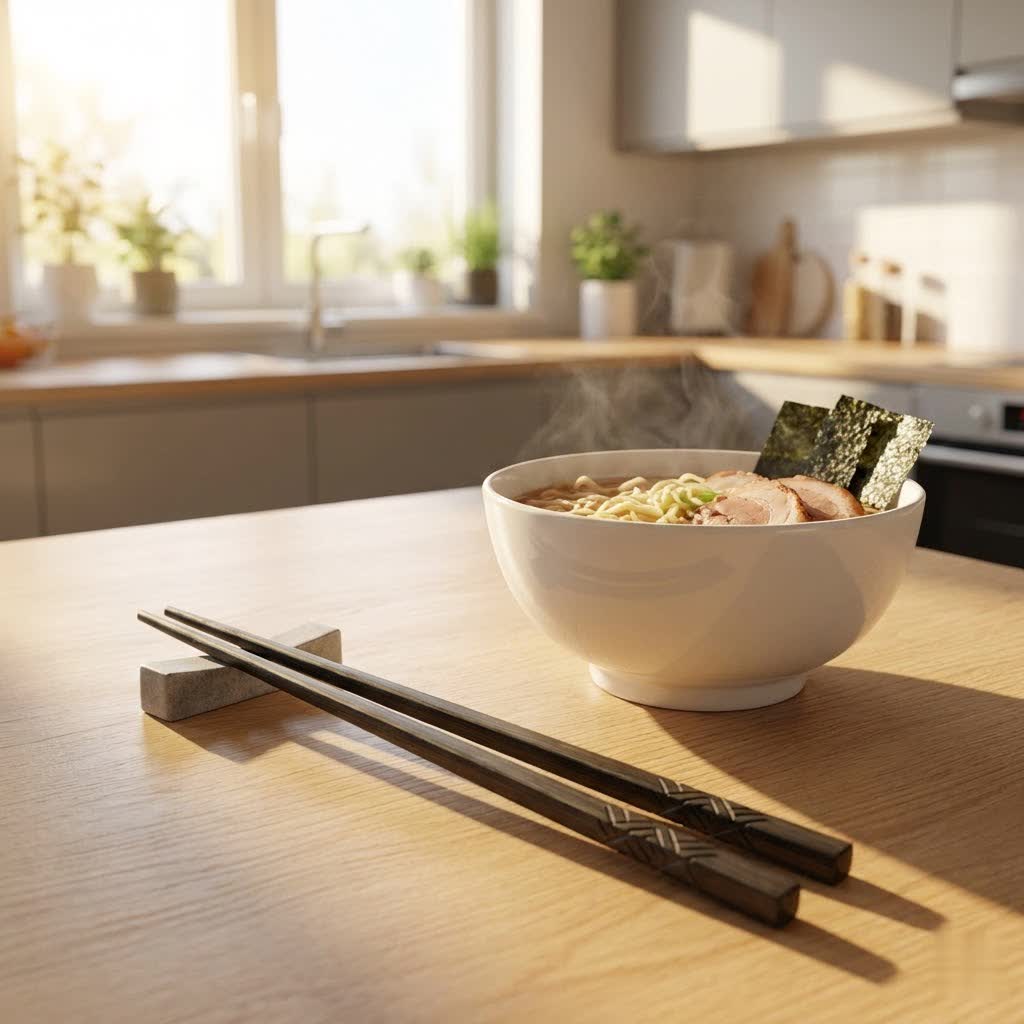
Bamboo chopsticks, cherished for their natural beauty and eco-friendliness, are a staple in kitchens worldwide. However, their porous nature means they require special care to remain hygienic and extend their lifespan. Unlike plastic or metal, bamboo can absorb moisture and oils, becoming a breeding ground for bacteria, mold, and unpleasant odors if not properly maintained. If your old bamboo chopsticks are looking a little worse for wear, don’t despair—with the right approach, you can safely disinfect them and restore them to their former glory, ensuring they are safe for your family’s next meal.
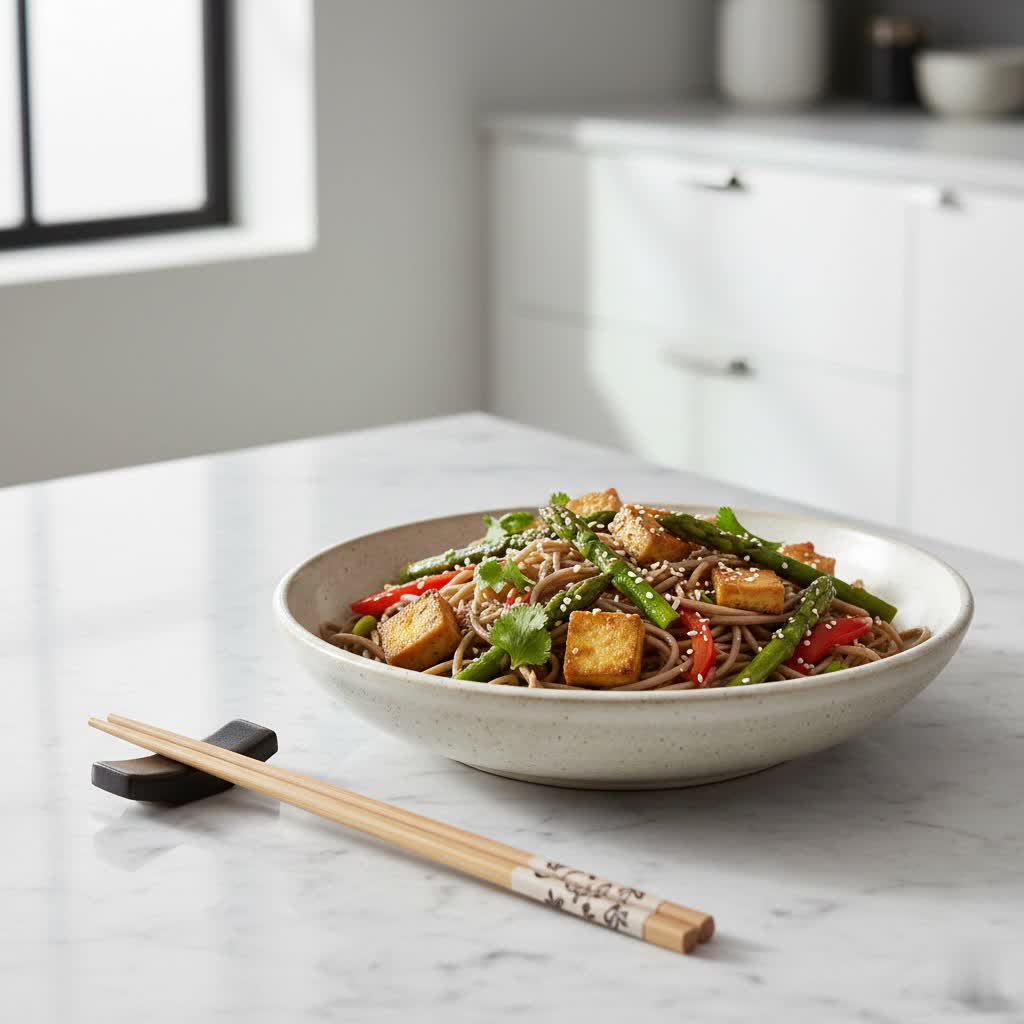
The Enduring Appeal of Bamboo Chopsticks
The use of chopsticks dates back thousands of years, deeply embedded in the culinary traditions of East Asia. Bamboo, in particular, has long been a preferred material due to its abundance, rapid growth, and sustainable characteristics. Beyond their environmental benefits as a renewable resource, bamboo chopsticks offer a unique dining experience. They are lightweight, comfortable to hold, and possess a natural aesthetic that enhances any meal. Their subtle texture provides a better grip on food compared to smoother materials, making them a practical and popular choice.
Why Your Bamboo Chopsticks Need Special Care
The charm of bamboo lies in its natural, porous structure. While this allows for a pleasant tactile experience, it also means bamboo is more susceptible to absorbing liquids and food particles than non-porous materials. Over time, this can lead to several common issues:
- Bacterial Growth: Invisible food residues trapped in the pores can foster bacterial colonies, posing a health risk.
- Mold Development: Moisture is mold’s best friend. If chopsticks aren’t dried thoroughly, mold spores can quickly take hold, leading to unsightly spots and a musty smell.
- Persistent Odors and Stains: Strong-smelling or richly colored foods can leave lingering odors and stains that regular washing may not fully remove.
- Warping and Cracking: Prolonged exposure to moisture, excessive heat, or rapid drying can cause the bamboo to swell, warp, or crack, compromising their integrity and comfort.
Understanding these vulnerabilities is the first step toward effective care and disinfection, especially for older chopsticks that may have accumulated these issues over time.
Essential Daily Cleaning Practices for Bamboo Chopsticks
Consistent daily cleaning is your primary defense against harmful build-up and damage. Follow these simple steps for optimal hygiene:
- Handwashing is paramount: Always handwash your bamboo chopsticks. The intense heat, harsh detergents, and powerful water jets of a dishwasher can cause bamboo to warp, crack, and degrade its natural finish, significantly shortening its lifespan.
- Rinse Immediately After Use: Don’t let food residue dry and harden. A quick rinse under warm running water immediately after your meal will remove most food particles, making the main wash much easier and reducing the chance of staining.
- Use Mild Soap and Warm Water: Fill a sink or bowl with warm (not excessively hot) water and add a small amount of mild dish soap. Harsh chemicals or strong detergents can strip away bamboo’s natural oils and potentially leave harmful residues that are unsafe for food contact.
- Gentle Scrubbing: Use a soft sponge or cloth to gently scrub each chopstick individually, paying close attention to the tips where food tends to accumulate. Avoid abrasive scrubbers like steel wool, which can scratch the surface and create micro-crevices where bacteria can hide.
- Rinse Thoroughly: Ensure all soap residue is completely rinsed off under clean, warm running water. Leftover soap can affect the taste of your food and contribute to the drying out of the bamboo.
- Avoid Prolonged Soaking: While brief soaking for disinfection is acceptable, never leave bamboo chopsticks submerged in water for extended periods (e.g., in a sink overnight). This allows the wood to absorb too much water, leading to swelling, discoloration, cracking, and increased mold risk.
Advanced Disinfection Methods for Older or Problematic Chopsticks
When daily cleaning isn’t enough, or if your old bamboo chopsticks show signs of persistent odors, stains, or even minor mold, these advanced disinfection methods can help restore them safely.
Vinegar and Water Solution
Table is empty.White vinegar is a natural disinfectant and odor neutralizer, making it an excellent choice for bamboo.
- Prepare the Solution: Mix equal parts white vinegar and warm water in a bowl. For a milder solution, some experts recommend a 1:2 or 1:3 vinegar-to-water ratio.
- Soak Briefly: Carefully place your bamboo chopsticks into the solution. Soak them for approximately 10 to 15 minutes. For mild mold or stubborn odors, some sources suggest a slightly longer soak of up to 30 minutes, but avoid leaving them for hours or overnight to prevent warping.
- Wipe and Rinse: Remove the chopsticks and wipe them down with a clean cloth to help remove any remaining residue. Rinse them thoroughly under warm running water to eliminate any vinegar smell.
- Dry Immediately: Pat them dry with a clean towel, then proceed to air dry completely as described below.
Baking Soda for Tough Stains and Odors
Baking soda acts as a gentle abrasive and a powerful odor absorber, ideal for targeting specific issues.
- Create a Paste: Mix a few teaspoons of baking soda with a small amount of water to form a thick paste.
- Apply and Scrub: Apply the paste directly to any stained or smelly areas on your chopsticks. Gently scrub with a soft sponge or cloth.
- Rinse and Dry: Rinse thoroughly to remove all baking soda residue and dry immediately.
Boiling Water Blanching (Quick Sanitization)
A brief dip in boiling water can effectively kill most surface bacteria without chemicals.
- Boil Water: Bring a pot of water to a rolling boil.
- Brief Immersion: Dip the tips of your bamboo chopsticks into the boiling water for 10-15 seconds. For a more thorough sanitization, some advise 2-3 minutes.
- Immediate Drying: Crucially, remove the chopsticks immediately and dry them completely with a clean towel, then air dry to prevent swelling or cracking. Do not leave them submerged for extended periods.
Steam Sterilization
Steam offers a gentle yet effective method for reducing microbial growth.
- Using a Steamer: Place your clean chopsticks in a steamer basket over boiling water for a few minutes. The steam penetrates the bamboo surface, sanitizing without direct immersion in water. Always dry thoroughly afterward.
UV Sterilizer Boxes
For those seeking a modern solution, compact UV sterilizer boxes are available. These devices use UV light to reduce bacteria effectively without heat or water, making them a convenient option for daily chopstick users.
Battling Mold: Prevention and Remediation
Mold is a common issue for bamboo chopsticks, primarily thriving in damp, poorly ventilated conditions with leftover food residues.
Understanding Mold Growth
Mold spores are ubiquitous and will colonize any organic material that provides moisture and food. Bamboo’s porous nature makes it particularly susceptible. Common mistakes leading to mold include storing chopsticks while still damp, placing them in humid areas (like near a sink or dishwasher), or using airtight containers without ventilation.
Removing Existing Mold
If you discover mold on your bamboo chopsticks, swift action is key:
- Initial Cleaning: First, rinse and gently scrub the chopsticks with warm water and a mild detergent to remove surface mold. Avoid harsh detergents that might damage the bamboo.
- Vinegar Soak: Mix equal parts white vinegar and water and soak the chopsticks for about 10-15 minutes. Vinegar naturally inhibits mold spores. For stubborn spots, a baking soda paste can be used for gentle scrubbing.
- Thorough Rinse and Dry: Rinse them completely and, most importantly, dry them immediately and thoroughly.
When to Replace: If mold has deeply penetrated the bamboo, if the wood feels soft, or if stains and odors persist after thorough cleaning, it’s safest to replace the chopsticks to avoid potential health risks.
Crucial Drying Techniques
Proper drying is the most critical step in preventing mold and extending chopstick life.
- Immediate Drying: After washing and rinsing, immediately wipe your chopsticks with a clean, dry towel.
- Complete Air Drying: Do not store them until they are absolutely bone dry. Lay them flat on a clean towel or, ideally, use a chopstick holder or drying rack that allows them to stand upright. This promotes maximum air circulation on all sides, ensuring every last bit of moisture evaporates.
- Well-Ventilated Area: Place the drying chopsticks in a dry, well-ventilated area away from direct sunlight (which can cause cracking) or humid zones in your kitchen. Even a slight residual moisture invites mold.
Long-Term Care and Maintenance for Lasting Chopsticks
Beyond daily cleaning and periodic disinfection, a few maintenance habits can dramatically extend the life and beauty of your bamboo chopsticks.
Proper Storage
- Dry, Ventilated Space: Always store your completely dry chopsticks in a clean, dry, and well-ventilated area.
- Chopstick Holders: Utilize chopstick holders or baskets that keep them upright and allow for good airflow. This prevents moisture from getting trapped.
- Avoid Airtight Containers: Resist the urge to seal them in airtight boxes, as this traps any lingering moisture and creates a perfect environment for mold. If you must use a container, ensure it has ventilation or consider adding a moisture absorber like a silica gel packet.
Conditioning with Food-Grade Oil
Just like wooden cutting boards, bamboo chopsticks benefit from occasional oiling.
- Type of Oil: Use food-grade mineral oil, beeswax, or even edible oils like walnut oil, canola oil, or olive oil.
- Application: Every few weeks (or monthly, depending on frequency of use and dryness of your environment), apply a thin coat of oil to clean, thoroughly dry chopsticks using a soft cloth.
- Cure Overnight: Wipe off any excess oil and allow the chopsticks to cure overnight before their next use.
- Benefits: This conditioning helps to nourish the bamboo, prevent it from drying out and cracking, slow down moisture absorption, and maintain its natural luster.
When It’s Time to Say Goodbye: Signs to Replace
Even with the most diligent care, bamboo chopsticks are consumables and won’t last forever. Regular inspection is key to ensuring ongoing safety and hygiene. Consider replacing your chopsticks if you notice any of the following signs:
- Cracks, Splits, or Splinters: These not only make chopsticks uncomfortable to use but also create deep crevices where food particles and bacteria can lodge, making proper cleaning impossible.
- Fuzzy Tips or Rough Texture: This indicates wear and tear, making it harder to pick up food and providing more surface area for germs.
- Warped Shape: Warping can affect grip and indicates structural degradation.
- Persistent Odors or Stains: If smells or discoloration remain even after deep cleaning and disinfection, it suggests deep penetration into the bamboo, which can harbor bacteria.
- Peeling Finish: For lacquered bamboo chopsticks, a peeling finish can expose raw, more porous bamboo and potentially introduce finish particles into your food.
- Soft or Discolored Wood: This can be a sign of advanced mold or rot.
On average, with proper care, a good set of reusable bamboo chopsticks can last several months to a year. Prioritizing safety over sentiment is essential when these signs appear.
Buying Guide: Choosing Quality Reusable Bamboo Chopsticks
When selecting new bamboo chopsticks, especially if you’re looking for ones that are easier to maintain and disinfect, consider these factors:
- Material and Finish: Opt for natural, untreated bamboo with a smooth finish. Avoid chopsticks with rough textures or excessive coatings that might chip or peel, as these can harbor bacteria and degrade quickly.
- Design and Shape: Choose chopsticks that feel comfortable in your hand and are easy to grip. Simpler designs are often easier to clean and less likely to trap food particles.
- Reputable Brands: Invest in chopsticks from established brands known for their quality and commitment to safe, food-grade materials. Look for certifications if available. While bamboo is naturally antimicrobial to some extent, proper manufacturing processes ensure the material is well-prepared for kitchen use.
By making informed choices, you set yourself up for easier maintenance and longer-lasting, hygienic chopsticks.
Conclusion
Caring for your old bamboo chopsticks, or any reusable bamboo utensil, is a rewarding practice that ensures hygiene, extends their life, and maintains their natural charm. From diligent handwashing and thorough drying to the occasional deep disinfection with natural solutions like vinegar and baking soda, each step contributes to safe and enjoyable dining. Remember, consistency in care, combined with recognizing when it’s time for a replacement, is key to making your bamboo chopsticks a cherished and hygienic part of your kitchen for as long as possible. So, take the time to treat your bamboo companions well—they’ll return the favor with countless delicious meals.
What’s your favorite tip for keeping bamboo chopsticks in pristine condition?
Frequently Asked Questions
Can I put bamboo chopsticks in the dishwasher?
No, it is strongly not recommended. The high heat, strong water pressure, and harsh detergents used in dishwashers can cause bamboo to warp, crack, splinter, and degrade its natural finish, significantly shortening its lifespan. Always handwash bamboo chopsticks.
How often should I disinfect bamboo chopsticks?
Daily washing with mild soap and warm water is sufficient for regular use. However, advanced disinfection methods using vinegar, baking soda, or brief boiling should be performed every few weeks, especially if chopsticks are used frequently, shared, or show signs of odor or minor staining.
What causes mold on bamboo chopsticks?
Mold on bamboo chopsticks is primarily caused by moisture, food residue, and a lack of proper air circulation during drying and storage. Bamboo’s porous nature allows it to absorb water, creating an ideal environment for mold spores to thrive if not completely dried after washing.
Is it safe to use old bamboo chopsticks?
Yes, old bamboo chopsticks can be safe to use if they are properly cleaned, disinfected, and maintained. However, if they show signs of deep cracks, splinters, persistent mold, strong odors, or a very rough texture that traps food, it’s safest to replace them for hygiene and safety reasons.
Can I use bleach to disinfect bamboo chopsticks?
No, never use strong chemical disinfectants like bleach on Bamboo Chopsticks. Bamboo is porous and can absorb chemicals, which can then leach into your food, making the chopsticks unsafe for use. Stick to natural and food-safe alternatives like vinegar or baking soda.
How do I get rid of the smell from old bamboo chopsticks?
To remove odors, wash your chopsticks thoroughly with mild soap. For persistent smells, soak them briefly (10-15 minutes) in a solution of equal parts white vinegar and water, or gently scrub them with a paste made from baking soda and water. Always rinse thoroughly and dry completely afterward.