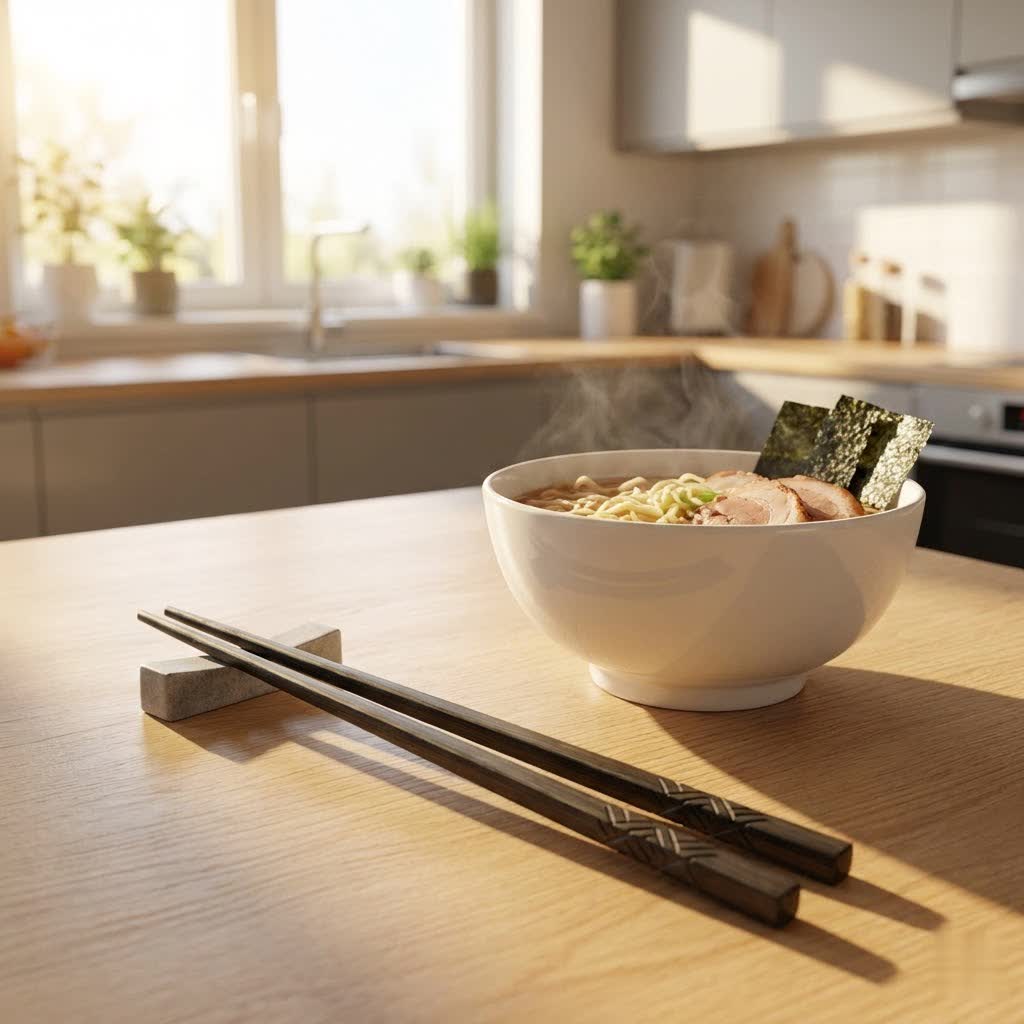
Bamboo chopsticks are cherished in kitchens worldwide for their elegant, natural appeal and eco-friendly qualities, making them a sustainable choice for your dining experience. However, their unique composition demands specific care to keep them hygienic and mold-free. As a natural, porous material, bamboo readily absorbs moisture, oils, and food particles, which can quickly lead to undesirable bacterial growth and unsightly mold if not managed correctly. This comprehensive DIY guide will empower you to clean, maintain, and store your bamboo chopsticks with confidence, ensuring they remain a safe and beautiful part of your culinary journey for years to come.
The Allure of Bamboo Chopsticks and Why They’re Prone to Mold
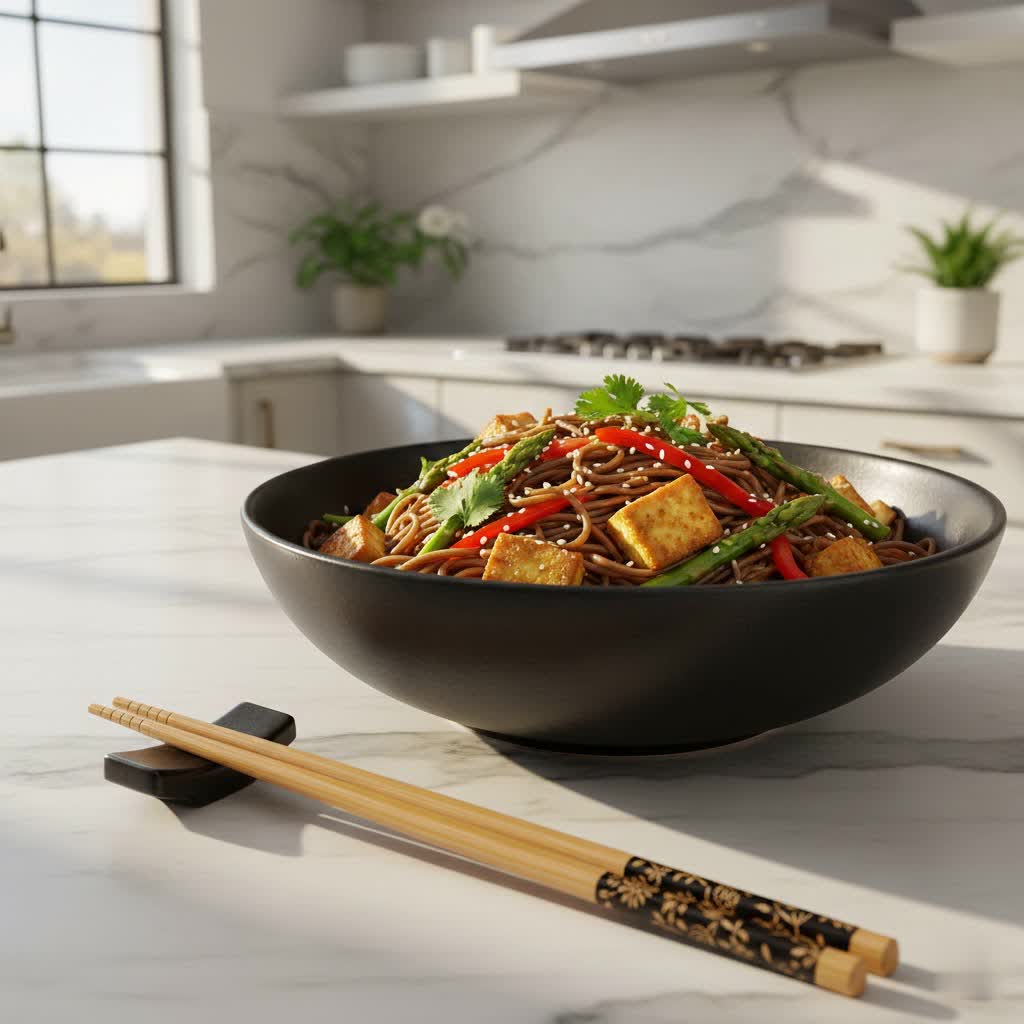
Table is empty.Bamboo has graced tables for centuries, celebrated for its lightweight feel, smooth texture, and inherent strength. Beyond aesthetics, it’s a rapidly renewable resource, offering an environmentally conscious alternative to plastic or metal utensils. Yet, this natural charm comes with a particular vulnerability. Unlike non-porous materials, bamboo possesses a fibrous structure with tiny capillaries that can trap moisture. When food residues, oils, and lingering dampness combine within these crevices, it creates an ideal breeding ground for mold spores and bacteria. Understanding this inherent characteristic is the first step toward effective prevention.
Daily Cleaning Routine: Your First Line of Defense Against Mold
Establishing a consistent daily cleaning routine is paramount to keeping your bamboo chopsticks pristine and preventing mold before it starts. This simple yet effective practice ensures hygiene and extends their lifespan.
- Rinse Immediately After Use: As soon as your meal concludes, rinse your chopsticks under warm running water. This crucial first step helps dislodge any food particles, like rice or sauce, before they have a chance to dry and stick to the bamboo surface.
- Hand Wash with Mild Soap: Fill a sink or bowl with warm water and add a small amount of mild, pH-balanced dish soap. Using a soft sponge or a clean dishcloth, gently scrub each chopstick individually. Pay close attention to the tips and any carved details where food might accumulate.
- Rinse Thoroughly: After scrubbing, rinse your chopsticks thoroughly under warm running water to remove all traces of soap. Leftover soap can not only impart an unpleasant taste to your next meal but can also dry out the bamboo over time, making it more susceptible to damage.
Crucial “Don’ts” for Bamboo Chopsticks:
- Never Use a Dishwasher: The high heat, harsh detergents, and intense water jets of a dishwasher can cause bamboo to warp, crack, splinter, and strip away its natural oils, significantly shortening its life.
- Avoid Soaking for Extended Periods: Prolonged immersion in water is bamboo’s arch-nemesis. It causes the wood fibers to swell, leading to cracking when they eventually dry and creating the perfect damp environment for mold growth.
- Steer Clear of Abrasive Cleaners and Scouring Pads: Harsh chemicals like bleach or abrasive scrubbers (e.g., steel wool) can damage the bamboo’s surface, creating tiny scratches where bacteria can hide and compromising its natural finish.
Deep Cleaning and Sanitizing: Banishing Stubborn Odors and Potential Mold
Even with diligent daily cleaning, your bamboo chopsticks might occasionally benefit from a deeper clean, especially if they develop a persistent odor or if you suspect early signs of mold. Natural household staples like vinegar and baking soda are excellent for this purpose, offering powerful disinfecting properties without harsh chemicals.
Vinegar Power: Natural Disinfectant
Vinegar is a remarkable natural cleaner and disinfectant, highly effective against bacteria and mold.
- Prepare the Solution: Mix equal parts white vinegar and warm water in a bowl. For a milder approach, you can use one part vinegar to two parts water.
- Soak Briefly: Submerge your bamboo chopsticks in the vinegar solution for no more than 10-15 minutes. Remember, prolonged soaking is detrimental to bamboo.
- Gentle Scrub and Rinse: After soaking, lightly scrub the chopsticks with a soft cloth. Rinse them thoroughly under warm running water to remove any vinegar smell and residue.
- Dry Immediately: Pat them dry with a clean towel, then proceed to air dry them completely as described in the next section.
“For natural wood and bamboo utensils, a diluted vinegar solution is a fantastic DIY disinfectant that can help eliminate lingering odors and deter microbial growth without resorting to harsh chemicals.” – Sarah Chen, Culinary Tool Expert
Baking Soda Scrub: Tackling Stains and Odors
Baking soda is another versatile ally in natural cleaning, known for its deodorizing and mild abrasive properties, perfect for gently scrubbing away stains and neutralizing odors.
- Create a Paste: Mix a small amount of baking soda with just enough water to form a thick paste.
- Apply and Scrub: Apply the paste directly to any stained areas or areas of concern on your chopsticks. Gently scrub with a soft cloth or sponge.
- Rinse and Dry: Rinse the chopsticks thoroughly under warm water to remove all baking soda residue, then dry them completely.
When to Replace: While deep cleaning can address minor issues, if you find that mold has deeply penetrated the bamboo, or if there are persistent musty odors, visible cracks, splintering, or a sticky texture, it’s best to replace the chopsticks for health and safety reasons.
The Golden Rule: Drying Bamboo Chopsticks Effectively
Proper and thorough drying is arguably the most critical step in preventing mold on your bamboo chopsticks. Even the most rigorous cleaning can be undone by inadequate drying.
- Immediate Towel Drying: Immediately after washing and rinsing, use a clean, soft towel to pat each chopstick dry. This removes the majority of surface moisture.
- Air Drying is Essential: After towel drying, allow your chopsticks to air dry completely. This step is non-negotiable for preventing mold.
- Upright in a Well-Ventilated Rack: The ideal method is to place them upright, tips facing upwards, in a chopstick holder or a dish rack that allows maximum air circulation around each piece. This prevents water from pooling and encourages even drying.
- Spaced Out on a Clean Surface: If an upright rack isn’t available, lay them flat on a clean, dry cloth, ensuring they are not touching each other. This allows air to circulate around all sides. Flip them periodically to ensure even drying.
- Why Thorough Drying is Non-Negotiable: Any residual moisture, no matter how slight, can become a breeding ground for mold spores. Bamboo’s porous nature means it can retain moisture internally, so giving it ample time to air dry in a well-ventilated space is vital. Avoid humid areas, as this will hinder the drying process.
Smart Storage Solutions for Mold Prevention
Once your bamboo chopsticks are impeccably clean and bone-dry, proper storage is the final piece of the mold prevention puzzle. The storage environment plays a significant role in maintaining their condition.
- Cool, Dry, and Well-Ventilated: Always store your bamboo chopsticks in a cool, dry place away from sources of excessive heat or direct sunlight. A kitchen drawer is acceptable, provided it’s dry and not prone to humidity.
- Avoid Trapping Moisture: Resist the urge to store bamboo chopsticks in tightly sealed containers or plastic bags immediately after use, even if they seem dry. These environments can trap any residual moisture, creating a microclimate perfect for mold growth.
- Utilize Chopstick Holders: A dedicated chopstick holder or a utensil crock with good drainage and airflow is an excellent investment. Storing them vertically allows for continuous air circulation, preventing moisture buildup.
Beyond Cleaning: Essential Maintenance Tips for Lasting Bamboo
Beyond the daily and deep cleaning routines, a few additional maintenance steps can significantly extend the life and beauty of your bamboo chopsticks.
- Occasional Oiling for Natural Finish: For natural, unfinished bamboo chopsticks, occasional oiling can help restore their luster and protect the wood. Apply a light coat of food-grade mineral oil, or even canola or olive oil, with a clean cloth every few weeks. Wipe off any excess oil and allow them to dry overnight before storing. This helps to condition the bamboo, slowing down moisture absorption and preventing drying and cracking.
- Tea Tree Oil for Proactive Prevention: Some users find that occasionally rubbing a very diluted solution of tea tree oil (known for its antifungal properties) onto dried chopsticks can act as an additional preventative measure against mold. Ensure it’s food-safe and wiped thoroughly after application.
- When to Replace: Even with the best care, bamboo chopsticks are not immortal. Be vigilant for signs it’s time to retire them:
- A persistent sour or musty odor that won’t dissipate after cleaning.
- Visible cracks, splinters, or a rough, sticky texture that can harbor bacteria.
- Dark, unremovable mold spots, indicating deep penetration.
- Peeling coatings or chipped tips that affect usability.
Buying Guide: Choosing Quality Bamboo Chopsticks for Easier Care
While DIY care is crucial, starting with quality bamboo chopsticks can make maintenance easier and extend their lifespan naturally. Look for products made from mature bamboo that feel smooth and sturdy, indicating good craftsmanship. Reputable brands often ensure their bamboo is properly processed and sometimes treated with natural, food-safe finishes that enhance durability and water resistance. Investing in well-made chopsticks means they are inherently less prone to splintering, warping, and absorbing excessive moisture, simplifying your cleaning and preservation efforts.
Conclusion
Caring for your bamboo chopsticks doesn’t have to be a daunting task. By embracing a few simple DIY cleaning methods, prioritizing meticulous drying, and implementing smart storage solutions, you can effectively prevent mold and ensure your beloved utensils remain hygienic and beautiful for countless meals to come. From a quick post-meal rinse to a periodic deep clean with natural agents like vinegar and baking soda, each step plays a vital role in preserving their integrity. Remember, patience in drying and thoughtful storage are your greatest allies against moisture-induced damage. With these practices, you’re not just maintaining kitchen tools; you’re sustaining a small piece of culinary tradition. So, what easy care step will you integrate into your routine today to safeguard your bamboo treasures?
Frequently Asked Questions
Can I put bamboo chopsticks in the dishwasher?
No, you should never put Bamboo Chopsticks in the dishwasher. The high heat, strong detergents, and intense water pressure can cause the bamboo to warp, crack, splinter, and strip away its natural protective oils, severely shortening its lifespan and making it more susceptible to mold. Handwashing with mild soap and warm water is always recommended.
How often should I deep clean my bamboo chopsticks?
For regular use, a thorough hand wash after each meal is usually sufficient. A deep clean using a vinegar solution or baking soda paste is recommended monthly, or whenever you notice a persistent odor, slight discoloration, or suspect any early signs of mold. Consistent and thorough drying is more important than frequent deep cleaning.
What if my bamboo chopsticks already have mold?
For minor, superficial mold, you can try cleaning them with a baking soda paste scrub or a diluted vinegar solution. Apply the paste or soak briefly, scrub gently, rinse thoroughly, and dry completely. However, if the mold has deeply penetrated the bamboo, causing dark, ingrained spots or a persistent musty odor, it is generally safer to replace the chopsticks to prevent potential health risks.