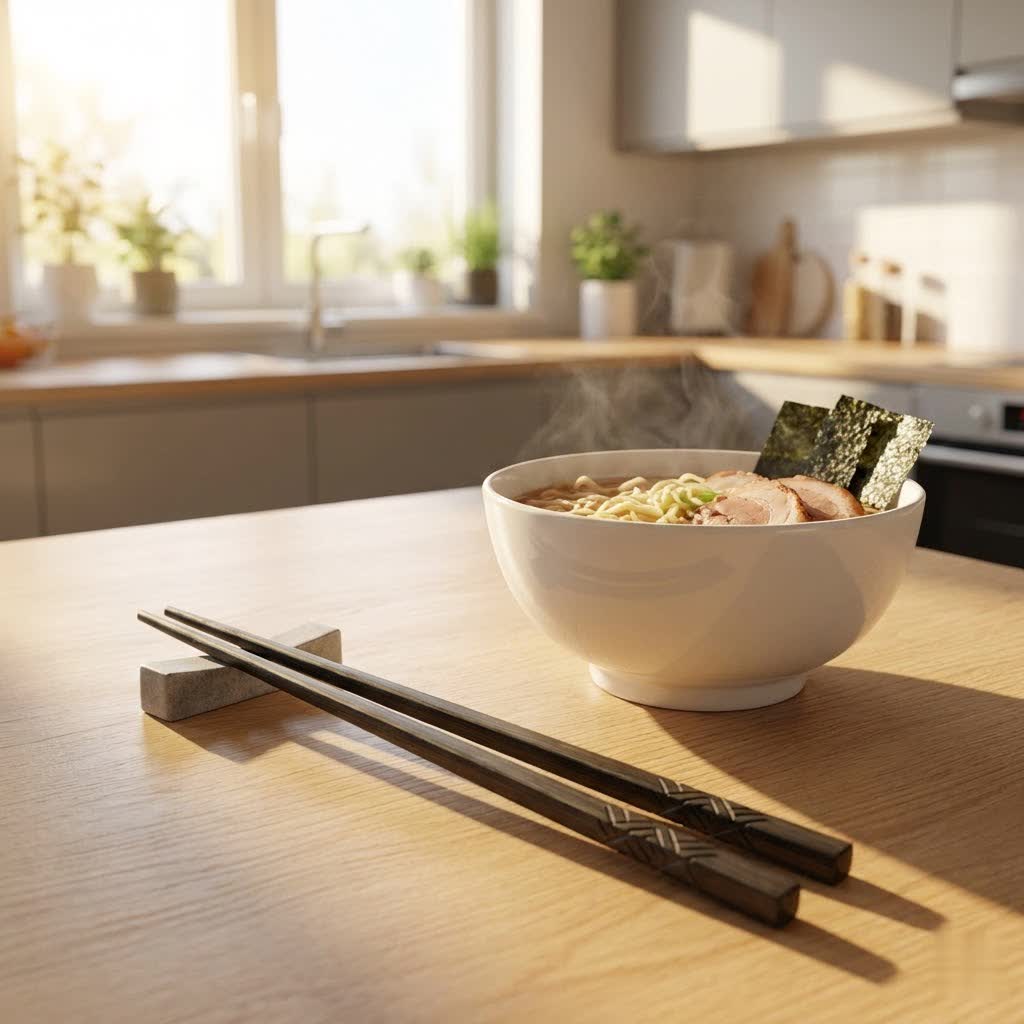
Have you ever found yourself admiring the elegant ease with which some people wield chopsticks, yet felt intimidated by the thought of trying them yourself? You’re not alone. While they might seem complex, mastering bamboo chopsticks is an accessible skill that can enhance your dining experience and connect you with rich culinary traditions. This comprehensive guide will walk you through everything you need to know, from their fascinating history and environmental benefits to proper usage techniques, selection tips, and essential care instructions, ensuring you pick up your next meal with confidence and grace.
The Enduring History and Cultural Roots of Chopsticks
The story of chopsticks is deeply intertwined with the culinary heritage of East Asia. These simple yet ingenious utensils are believed to have originated in China as early as the Shang dynasty (around 1766–1122 BCE), initially serving as cooking tools to reach into boiling pots and fires. Over centuries, their use evolved, spreading throughout various regions of East Asia, including Korea, Japan, and Vietnam, where they became integral to daily dining.
In ancient China, the adoption of chopsticks at the dining table, replacing knives, reflected a cultural shift, symbolizing the ascendancy of scholarly refinement over the warrior class. The philosopher Confucius himself championed chopsticks, viewing them as instruments of benevolence and gentleness, fostering patience, dexterity, and mindfulness at communal meals. This philosophy helped cement their cultural significance, transforming them from mere utensils into powerful symbols of togetherness and cultural identity. Among the myriad materials used throughout history, bamboo has consistently held its place as one of the earliest and most favored choices for chopsticks due to its inherent qualities.
Superior Advantages of Bamboo Chopsticks
When choosing your dining tools, bamboo chopsticks offer a compelling array of benefits that go beyond their traditional charm. Their natural characteristics make them a standout choice for both practical use and environmental consciousness.
- Eco-Friendly and Sustainable: Bamboo is an incredibly fast-growing, renewable resource. Unlike hardwoods that require extensive time to mature, bamboo can be harvested without causing long-term environmental damage, growing back quickly without the need for replanting after each harvest. This makes bamboo chopsticks a more sustainable and biodegradable option compared to many other materials, helping to minimize landfill waste.
- Health-Safe and Hygienic: Bamboo possesses natural antibacterial properties, which makes it less susceptible to harboring bacteria compared to some wooden counterparts. Furthermore, high-quality bamboo chopsticks often require fewer, if any, chemical coatings, glues, or lacquers to achieve a smooth finish, contributing to a more natural and healthier eating experience.
- Durability and Aesthetics: Known for its high tensile strength, bamboo is robust and resistant to cracking or splintering, ensuring a longer lifespan with proper care. They are also remarkably lightweight, making them comfortable for extended use, and boast a natural, elegant aesthetic that complements any table setting. Another practical advantage is bamboo’s poor heat conductivity, which makes it safer and more comfortable to use for cooking or with hot foods, unlike metal or plastic chopsticks that can heat up quickly.
Common Types of Chopsticks on the Market
While this guide focuses on bamboo, it’s helpful to understand the broader landscape of chopsticks available today. Chopsticks vary widely in material, shape, and length, often reflecting their cultural origins and intended use.
| Type of Chopstick | Material | Typical Length | Shape/Tip | Common Use | Key Characteristics |
|---|---|---|---|---|---|
| Chinese | Bamboo, wood, plastic, metal, ivory | Longer (around 10 inches) | Rectangular with blunt ends | Communal dining, serving | Ideal for reaching into shared dishes, heavier feel. |
| Japanese | Bamboo, wood, plastic | Shorter (around 9 inches) | Round, pointed tips | Individual use, picking up delicate items like sushi | Excellent for precision and handling small pieces. |
| Korean | Metal (stainless steel), plastic | Medium length | Flat, textured for grip | Individual use, often with side dishes | Durable, hygienic, can be slippery for beginners. |
| Bamboo | Bamboo | Various | Can be rounded or square, tapered or blunt | Versatile for everyday dining, cooking | Lightweight, eco-friendly, naturally non-slip, non-heat conductive. |
| Wood | Rosewood, ebony, cherry | Various | Round or square, can be tapered | Everyday use, formal dining | Traditional feel, good grip, requires careful cleaning. |
| Metal | Stainless steel, titanium | Various | Sleek, often flat or round | Modern dining, Korean cuisine | Very durable, easy to clean, can be slippery and heat conductive. |
| Plastic | Melamine, various plastics | Various | Round or square | Disposable, casual dining | Inexpensive, durable, but can lack aesthetic appeal. |
| Fiberglass | Resin and glass fibers | Various | Smooth, durable | Heavy cooking, professional use | Heat-resistant, durable, warp-resistant, but not biodegradable. |
Within the bamboo category, you’ll find disposable options, which are convenient but less eco-friendly, and reusable bamboo chopsticks that are designed for longevity and frequent use. Artisan-crafted bamboo chopsticks often feature unique designs and finishes, making them beautiful additions to any kitchen.
A Beginner’s Guide to Using Bamboo Chopsticks
Learning to use chopsticks is a skill that comes with practice, much like learning to use a fork or knife. Here’s a simple, step-by-step guide to get you started with your bamboo chopsticks:
Step 1: The Stationary Chopstick
|
Our Picks for the Best Bamboo chopsticks in 2026
As an Amazon Associate I earn from qualifying purchases.
|
||
| Num | Product | Action |
|---|---|---|
| 1 | 5 pairs of bamboo chopsticks can be reused, classic healthy high-quality natural bamboo chopsticks, can be washed in the dishwasher, 9.8 inches / 25 cm, (pattern: more than every year) |

|
| 2 | Jucoan 100 Pairs Bamboo Chopsticks Reusable, 9.5" Natural Unpainted Non-Slip Bamboo Chop Sticks, Lightweight Bulk Wooden Chopsticks for Home Restaurant Party, Sushi, Noodles |
|
| 3 | 100Pairs Bamboo Chopsticks Disposable | Individually Wrapped | Bulk | Separated | Round | Premium Quality-(9.45in) |
|
| 4 | 52USA Disposable Bamboo Chopsticks (100 Sets) - 9'' Long, UV Treated, Individually Wrapped Japanese and Chinese Wooden Chopsticks Bulk |
|
| 5 | 1000 Pairs 8 Inch Disposable Chopsticks, Separated Sleeved Individually Wrapped Disposable Bamboo Chopsticks, Bamboo Wooden for Noodles, Sushi, Asian Food |
|
| 6 | Antner 5 Pairs Natural Bamboo Chopsticks Reusable Classic Japanese Style Chop Sticks Gift Sets, Dishwasher Safe, 8.8 Inch/22.5cm |
|
| 7 | ROYALNA 500 pairs Palillos UV Treated Premium Disposable Bamboo Chopsticks Sleeved and Separated (Bamboo, 500 pairs) |
|
| 8 | 10 Pairs Bamboo Chopsticks Reusable, Twisted chopsticks Natural Wooden Chopsticks, 9.06 Inch/23cm Dishwasher Safe Lightweight by LANHUTHS |
|
| 9 | Albino Monkey 200 Round Separated Disposable Chopsticks | Best for Sushi | Bamboo Wooden Chinese Chop sticks - Bamboo Chopstick Bulk - Disposable Utensils Premium Quality - (100 Pairs) |
|
| 10 | 10Pairs Bamboo Chopsticks Reusable | Dishwasher Safe | Non slip | Chinese -(9.45in) |
|
Begin by holding one chopstick in your dominant hand. Position it so it rests in the hollow between your thumb and index finger. The other end of this chopstick should be supported by the tip of your ring finger. This first chopstick is your anchor; it should remain still throughout the eating process. Gently press the bottom of your thumb against the chopstick to keep it securely in place.
Step 2: The Moving Chopstick
Take the second chopstick and hold it like a pencil. This means placing it between the tips of your thumb, index finger, and middle finger. This is the chopstick you will maneuver to pick up food. Ensure a relaxed, comfortable grip, not too tight, to avoid hand fatigue and allow for smooth movement.
Step 3: Practice the Pinch
Now, with the bottom chopstick stable, practice moving only the top chopstick. Use your index and middle fingers to bend and extend, opening and closing the tips of the chopsticks. The goal is to make the tips meet evenly, like a pair of tongs, so you can effectively pinch and grab food. Practice tapping the ends together repeatedly to build control and accuracy.
“With regular practice, using chopsticks will feel natural. Once you can handle dry foods, challenge yourself with rice, noodles, or slippery vegetables.”
Tips for Success:
- Relax Your Grip: A tense hand will make it harder to control the chopsticks. Keep your hand firm but relaxed.
- Start Simple: Begin by practicing with easier-to-grasp foods like peanuts, tofu cubes, or small pieces of fruit.
- Keep Tips Aligned: If the tips are misaligned, picking up food becomes much more challenging. Adjust your grip until they meet squarely.
Common Mistakes to Avoid:
- Holding Too Low or Too High: Experiment with grip levels; some find it easier closer to the base, others further up.
- “Stabbing” Food: Chopsticks are designed to pinch and lift, not stab. Stabbing food is considered impolite in many cultures.
- Misaligned Tips: This is a common beginner error that makes gripping food almost impossible. Adjust until the tips meet.
- Cultural Etiquette:
- Never stick chopsticks upright in a bowl of rice, as this resembles incense at a funeral and is considered disrespectful.
- Avoid passing food directly from your chopsticks to another person’s chopsticks, as this is a ritual associated with funerals.
- Do not use chopsticks to point at people or wave them around, and refrain from tapping them on bowls, which is seen as begging.
How to Choose Quality Bamboo Chopsticks
Selecting the right pair of bamboo chopsticks can significantly enhance your dining pleasure. Consider these factors to find a high-quality set that meets your needs.
Material Quality
Opt for chopsticks made from natural, untreated bamboo. The best bamboo chopsticks are free from harmful glues, lacquers, and chemical coatings, which can chip or crack over time and may contain undesirable substances. Look for responsibly harvested and organically grown bamboo if possible, ensuring both safety and sustainability.
Style and Shape
- Length: Chopsticks typically range from 6 to 11 inches. The ideal length often depends on your hand size and personal preference. Generally, Chinese chopsticks are longer, Japanese ones shorter and pointier, and Korean ones are often metal and flat.
- Tip Design: Finely tapered tips are excellent for delicate tasks like picking up sushi or small items. If you frequently enjoy slippery noodles or soupy dishes, chopsticks with slightly thicker or textured ends can provide better grip and control.
Brand and Certifications
Prioritize reputable brands that are transparent about their sourcing and manufacturing processes. Some bamboo chopsticks carry certifications such as USDA organic or 100% Biobased, indicating adherence to quality and environmental standards. These certifications can provide assurance about the product’s safety and sustainability.
Proper Care and Maintenance for Bamboo Chopsticks
To ensure your bamboo chopsticks last for years and remain hygienic, proper cleaning and storage are crucial. Bamboo’s porous nature requires specific care to prevent bacterial growth, warping, or splintering.
Cleaning
- Hand Wash Immediately: After each use, rinse your chopsticks under warm running water to prevent food from drying on them.
- Gentle Hand Washing: Use a soft sponge or dishcloth with a mild, non-abrasive dish soap. Gently scrub along the length, paying extra attention to the tips and any carved details.
- Avoid Soaking: Never soak bamboo chopsticks in water for extended periods. Prolonged water exposure can cause the bamboo to swell, leading to cracking or warping as they dry.
- No Dishwashers: The intense heat and harsh washing cycles of a dishwasher can overdry bamboo, causing it to crack, splinter, or wear out faster. Always hand wash them.
Drying and Storage
- Dry Thoroughly: Pat your chopsticks dry immediately with a towel after washing. Then, allow them to air-dry completely, ideally vertically (tip-end up) in a well-ventilated rack. Laying them flat can trap moisture.
- Proper Storage: Store your reusable bamboo chopsticks in a clean, dry, and covered place. Avoid direct sunlight, which can cause the color or finish to fade over time.
Longevity Tips
- Oiling: Occasionally, you can lightly oil your bamboo chopsticks with food-grade mineral oil or cooking oil to help maintain their condition and prevent drying out. Some sources suggest doing this every 3-6 months, depending on usage.
- When to Replace: If you notice any signs of splitting, cracking, splintering, or paint chipping, it’s time to replace your chopsticks. These damages can harbor bacteria and pose a risk of ingesting splinters.
Bamboo Chopsticks and Health: What to Consider
While bamboo chopsticks are generally a safe and healthy choice, it’s important to be aware of potential considerations to ensure a truly beneficial dining experience.
The primary concern with any food utensil is hygiene. Bamboo’s fibrous nature means that without proper cleaning and thorough drying, it can absorb moisture and food particles, creating an environment where bacteria and mold can thrive. Low-quality or poorly maintained chopsticks, regardless of material, can also pose a risk if they splinter, potentially leading to small ingestions.
However, the natural properties of quality bamboo chopsticks largely mitigate these risks. Their inherent resistance to bacteria and the fact that they often require minimal chemical treatment make them a safe option when properly cared for. By choosing reputable brands and adhering to recommended cleaning practices, you can confidently enjoy the many health advantages that bamboo chopsticks offer.
Where to Purchase Reliable Bamboo Chopsticks
Finding the perfect pair of bamboo chopsticks is easier than ever, with numerous options available both online and in physical stores.
- Online Retailers: Major e-commerce platforms like Amazon, Walmart, and Target offer a wide selection of bamboo chopsticks, ranging from disposable bulk packs to reusable sets and even designer options. Specialty kitchenware sites and eco-friendly online stores also provide curated collections. For unique, handcrafted, or personalized bamboo chopsticks, platforms like Etsy are excellent resources where artisans offer distinctive products.
- Local Stores: You can often find bamboo chopsticks at your local Asian grocery stores, which typically stock a variety of styles and lengths. General home goods stores or kitchen supply shops may also carry reusable bamboo options.
- Artisan Workshops: If you’re looking for truly unique and high-quality bamboo chopsticks, seeking out artisan workshops or craft fairs that specialize in bamboo products can yield exquisite handcrafted pieces.
Buying Guide: Your Perfect Pair of Bamboo Chopsticks
With so many choices, pinpointing the perfect bamboo chopsticks can feel daunting. Here’s a streamlined buying guide to help you make an informed decision:
- Determine Your Needs:
- Everyday Dining: For daily meals, look for durable, easy-to-clean, reusable bamboo chopsticks.
- Cooking: Longer, sturdier bamboo cooking chopsticks (often called saibashi in Japan) are ideal for stir-frying and deep-frying, keeping your hands away from heat.
- Special Occasions/Gifts: Consider handcrafted or elegantly designed bamboo chopsticks for a more refined dining experience or as a thoughtful present.
- Travel: Lightweight and compact bamboo chopsticks with a carrying case are perfect for meals on the go.
- Research Materials and Manufacturing: Confirm that the bamboo chopsticks are made from natural, untreated bamboo, free from harmful chemicals. Look for sustainably sourced options.
- Compare Price and Quality: While bamboo chopsticks are generally affordable, price can vary based on craftsmanship and features. Invest in a slightly higher-priced, well-made reusable set for longevity.
- Read Reviews: Customer reviews can offer valuable insights into the product’s durability, ease of use, and overall satisfaction, helping you avoid common pitfalls.
Conclusion
Embracing bamboo chopsticks is more than just adopting a new utensil; it’s an invitation to a richer, more mindful dining experience steeped in centuries of tradition. From their sustainable origins and natural health benefits to their practical elegance, bamboo chopsticks stand out as an exceptional choice for any meal. By understanding their history, learning the simple techniques for proper use, and committing to their straightforward care, you’ll soon find yourself navigating meals with a newfound dexterity and appreciation. So, why not pick up a pair today and transform your next meal into a delightful cultural journey?
Frequently Asked Questions
Are bamboo chopsticks safe to use?
Yes, high-quality bamboo chopsticks are generally safe to use. Bamboo has natural antibacterial properties, and well-made chopsticks often do not require chemical coatings. However, proper cleaning and drying are essential to prevent bacterial growth, and replacing splinted or cracked chopsticks is crucial for safety.
Can you put bamboo chopsticks in the dishwasher?
No, it is strongly recommended to hand wash bamboo chopsticks. Dishwashers’ intense heat and prolonged water exposure can cause the bamboo to swell, warp, crack, or splinter, significantly shortening their lifespan. Always wash them with mild soap and warm water, then air dry thoroughly.
How long do bamboo chopsticks last?
The lifespan of bamboo chopsticks varies depending on their quality and how well they are maintained. Cheaply made, disposable chopsticks may only last for a few uses, but well-cared-for reusable bamboo chopsticks can last for years. Regular hand washing, thorough drying, and occasional oiling contribute to their longevity.
What are the cultural rules for using chopsticks?
Common chopstick etiquette includes never sticking them upright in rice (resembles incense at funerals), avoiding passing food directly from chopstick to chopstick (a funeral ritual), not using them to point or wave, and refraining from tapping them on bowls (considered begging). Always use them gently and respectfully.