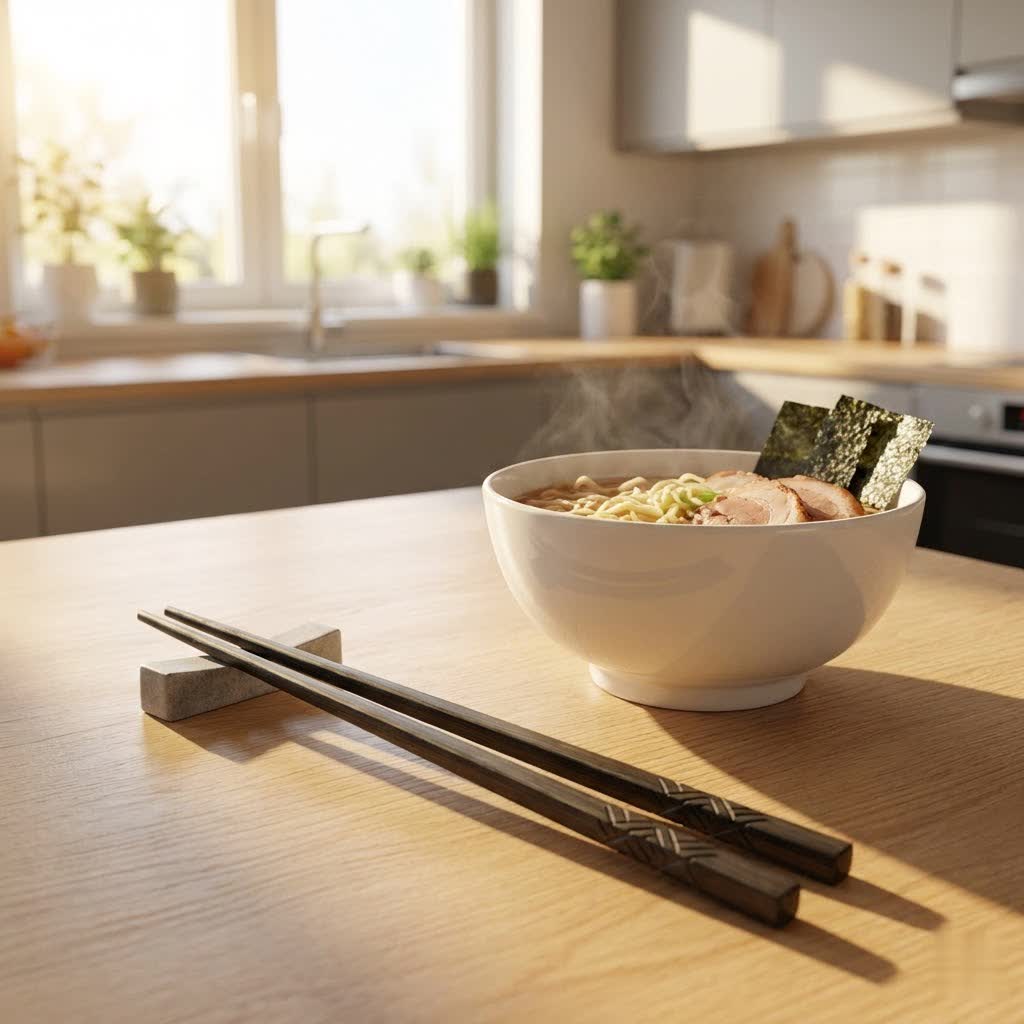
Bamboo chopsticks are a cherished part of many dining experiences, celebrated for their natural beauty, lightweight feel, and eco-friendly appeal. As someone with over a decade of experience in household appliances and a deep appreciation for bamboo utensils, I understand the joy they bring to the table. However, this natural material, while wonderful, requires attentive care to remain safe and hygienic. The silent enemy of bamboo chopsticks is mold, a pervasive issue that can turn an elegant utensil into a health risk if not identified and addressed promptly. Understanding the early signs of mold and implementing proper care routines is crucial for ensuring your family’s health and preserving the longevity of your beloved bamboo chopsticks. Let’s delve into how you can become an expert at spotting mold and keeping your bamboo safe.
The Enduring Legacy of Bamboo Chopsticks
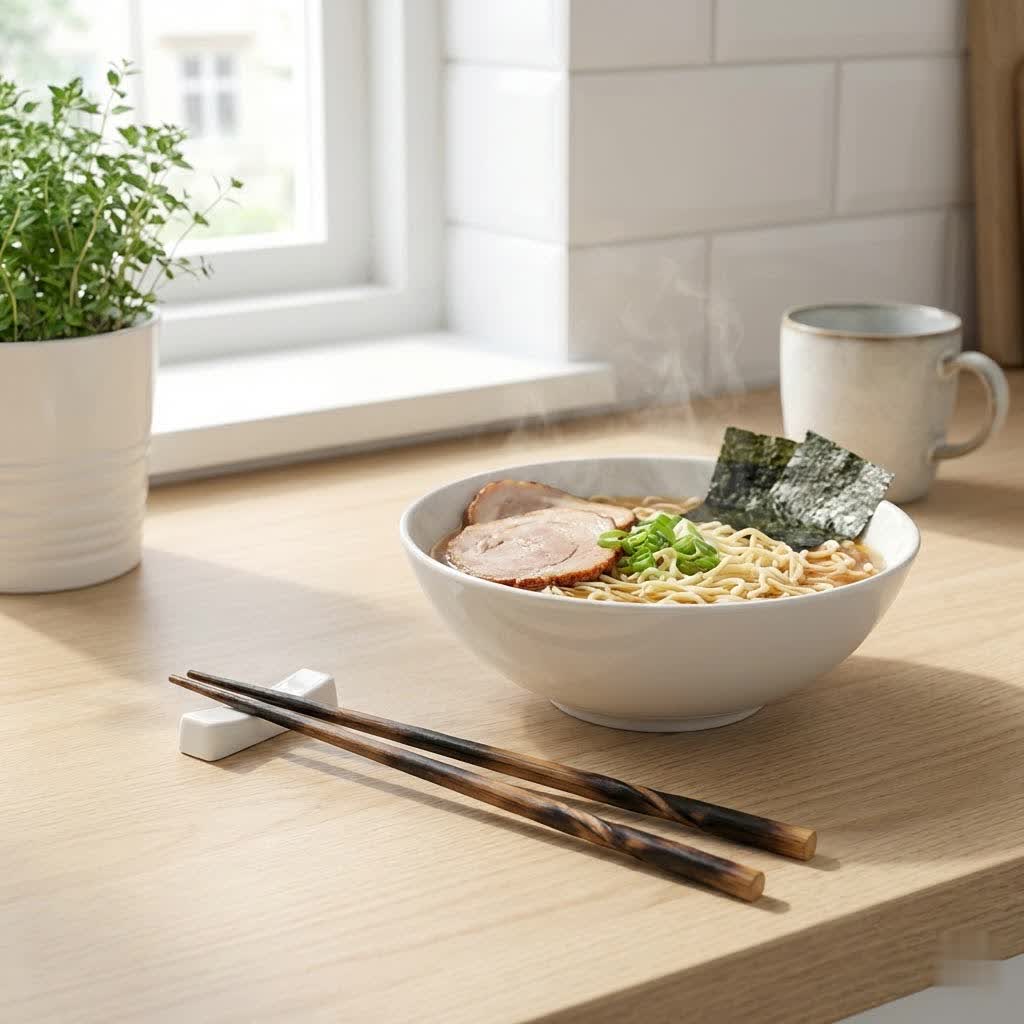
Bamboo has been intertwined with Asian culinary traditions for centuries, valued for its rapid growth, strength, and renewability. From humble beginnings, bamboo chopsticks evolved from simple eating tools to elegant dining accessories, symbolizing culture, community, and sustainability. However, the very natural properties that make bamboo an excellent choice – its porosity and organic composition – also make it susceptible to moisture absorption, creating an ideal breeding ground for mold if not properly maintained. The history of bamboo chopsticks is a testament to natural materials, yet it also highlights the constant need for mindful care in their use.
The Unseen Battle: Why Bamboo is Prone to Mold
Bamboo chopsticks offer numerous advantages that make them a popular choice worldwide. They are environmentally friendly, as bamboo is a highly renewable resource that grows rapidly without the need for pesticides or excessive water. This makes them a sustainable alternative to plastic or single-use wood. Furthermore, bamboo is inherently safe for health due when properly maintained, free from the synthetic chemicals found in some other materials. Their durability and aesthetic appeal are also significant draws; well-cared-for bamboo chopsticks can last for years, boasting a smooth finish and a refined, natural look that enhances any meal.
However, these benefits come with a caveat. Bamboo’s natural porosity means it readily absorbs moisture, trapping food particles and creating micro-environments perfect for mold spores to colonize and thrive. Species like Aspergillus, Penicillium, and Alternaria are common culprits, proliferating rapidly in damp, warm conditions. This inherent characteristic means that while bamboo is an excellent material, vigilance in cleaning and storage is paramount to prevent mold from taking hold.
Different Strokes: Understanding Bamboo Chopstick Varieties
The market offers a range of bamboo chopsticks, each with varying degrees of mold susceptibility. Disposable bamboo chopsticks are often minimally processed and intended for single use. While convenient, their untreated nature makes them highly prone to mold if mistakenly reused or exposed to humidity. Reusable bamboo chopsticks are typically more durable, sometimes featuring a protective coating or being crafted from denser bamboo fibers designed for longevity. Handcrafted bamboo chopsticks represent the pinnacle of artistry, often made from high-quality bamboo and sometimes treated with food-safe oils or natural sealants to enhance their lifespan and resistance to moisture. The level of processing and treatment significantly influences a chopstick’s resilience to mold, with untreated and highly porous varieties being the most vulnerable.
Identifying Mold: The Early Warning Signs on Your Bamboo Chopsticks
Spotting mold on bamboo chopsticks early is critical for preventing health risks. It’s often more than just a visible fuzz; mold can manifest in subtle ways before becoming overtly obvious.
Visual Cues:
- Discoloration: Look for faint greenish, black, gray, or even reddish spots or patches, particularly near the tips, joints, or where chopsticks rest against each other. This discoloration is not just a stain; it’s active fungal growth.
- Fuzz or Spots: The most recognizable sign is a fuzzy, cotton-like growth. It might start as tiny, almost imperceptible dots that gradually expand.
- Dullness or Darkening: Untreated bamboo might show a general dullness or darkening in certain areas, particularly if moisture has been consistently absorbed there, hinting at underlying mold development.
- Roughness or Splintering: While not a direct sign of mold, excessive roughness or splintering can create tiny crevices where food particles and moisture can hide, accelerating mold growth.
Olfactory Cues (Smell):
- Sour or Musty Odor: A distinct sour, stale, or musty smell, akin to damp wood left in a humid environment, is a strong indicator of mold. This odor won’t easily wash away with soap and water.
Tactile Cues (Texture):
- Slimy or Sticky Feel: If your chopsticks feel unusually slimy, sticky, or slightly slick even after washing, it could be a precursor to mold, indicating persistent moisture.
It’s important to distinguish mold from simple food residue. Food residue usually washes off easily with soap and water, while mold often remains or reappears quickly. If you suspect mold, don’t ignore it; inspect your chopsticks meticulously under good lighting.
The Hidden Dangers: Why Moldy Bamboo Chopsticks Are a Health Hazard
Using moldy bamboo chopsticks goes beyond an aesthetic issue; it poses significant health risks. Mold is not benign; it produces spores and mycotoxins, which can be ingested and cause serious health problems.
One of the most concerning risks is aflatoxin, a potent carcinogen produced by certain mold species like Aspergillus. Aflatoxins are classified as Group 1 carcinogens by the World Health Organization and are particularly damaging to the liver, significantly increasing the risk of gastrointestinal cancers, including stomach and liver cancer. Long-term exposure, even to small amounts, can accumulate and lead to severe health consequences.
Beyond aflatoxins, moldy chopsticks can also become breeding grounds for harmful bacteria such as Helicobacter pylori (H. pylori). H. pylori is a known cause of stomach ulcers and is recognized as a leading risk factor for stomach cancer. Improperly cleaned or mold-infested chopsticks can facilitate the transmission of such bacteria, especially in shared dining environments.
The simple truth is, once mold has colonized your bamboo chopsticks, it permeates the porous structure of the material, making it almost impossible to fully sanitize. Even if the visible mold is scrubbed away, the fungal network beneath the surface often remains, ready to regrow. Therefore, any chopstick showing clear signs of mold should be discarded immediately for your health and safety.
Preventing Mold: Best Practices for Care and Storage of Bamboo Chopsticks
Proactive care is the best defense against mold on bamboo chopsticks. Following these best practices will significantly extend their lifespan and ensure they remain safe for your family.
Proper Cleaning Techniques
- Wash Promptly by Hand: After each use, hand-wash your bamboo chopsticks immediately with warm water and a mild dish soap. Do not let food residue sit, as it provides nutrients for mold.
- Use a Soft Cloth or Sponge: Gently scrub the chopsticks with a soft cloth or sponge. Avoid abrasive scrubbers, steel wool, or harsh detergents, which can damage the bamboo’s surface, creating tiny cracks where mold can hide.
- Rinse Thoroughly: Ensure all soap residue is rinsed off with clean, warm water. Leftover soap can dry out the bamboo and affect food taste.
- Avoid Dishwashers and Prolonged Soaking: Dishwashers expose bamboo to intense heat, harsh detergents, and prolonged moisture, leading to warping, cracking, and rapid degradation. Similarly, soaking bamboo chopsticks for extended periods in water should be avoided as bamboo absorbs water quickly, weakening fibers and encouraging mold growth.
|
Our Picks for the Best Bamboo chopsticks in 2026
As an Amazon Associate I earn from qualifying purchases.
|
||
| Num | Product | Action |
|---|---|---|
| 1 | 5 pairs of bamboo chopsticks can be reused, classic healthy high-quality natural bamboo chopsticks, can be washed in the dishwasher, 9.8 inches / 25 cm, (pattern: more than every year) |

|
| 2 | 100Pairs Bamboo Chopsticks Disposable | Individually Wrapped | Bulk | Separated | Round | Premium Quality-(9.45in) |
|
| 3 | 1000 Pairs 8 Inch Disposable Chopsticks, Separated Sleeved Individually Wrapped Disposable Bamboo Chopsticks, Bamboo Wooden for Noodles, Sushi, Asian Food |
|
| 4 | ROYALNA 500 pairs Palillos UV Treated Premium Disposable Bamboo Chopsticks Sleeved and Separated (Bamboo, 500 pairs) |
|
| 5 | 10Pairs Bamboo Chopsticks Reusable | Dishwasher Safe | Non slip | Chinese -(9.45in) |
|
| 6 | Albino Monkey 200 Round Separated Disposable Chopsticks | Best for Sushi | Bamboo Wooden Chinese Chop sticks - Bamboo Chopstick Bulk - Disposable Utensils Premium Quality - (100 Pairs) |
|
| 7 | 10 Pairs Bamboo Chopsticks Reusable, Twisted chopsticks Natural Wooden Chopsticks, 9.06 Inch/23cm Dishwasher Safe Lightweight by LANHUTHS |
|
| 8 | Jucoan 100 Pairs Bamboo Chopsticks Reusable, 9.5" Natural Unpainted Non-Slip Bamboo Chop Sticks, Lightweight Bulk Wooden Chopsticks for Home Restaurant Party, Sushi, Noodles |
|
| 9 | 52USA Disposable Bamboo Chopsticks (100 Sets) - 9'' Long, UV Treated, Individually Wrapped Japanese and Chinese Wooden Chopsticks Bulk |
|
| 10 | Antner 5 Pairs Natural Bamboo Chopsticks Reusable Classic Japanese Style Chop Sticks Gift Sets, Dishwasher Safe, 8.8 Inch/22.5cm |
|
Essential Drying Methods
- Dry Immediately and Completely: This is perhaps the most crucial step. After washing, immediately towel-dry each chopstick with a clean, soft cloth.
- Air Dry Thoroughly: After towel drying, place the chopsticks in a well-ventilated area to air dry completely. Use a chopstick holder that allows for good air circulation. Avoid closed containers or damp kitchen areas, which trap moisture.
- Sun-Drying (Occasionally): On sunny days, placing freshly washed and towel-dried chopsticks in direct sunlight for a short period can help with disinfection and ensure they are thoroughly dry.
Optimal Storage Solutions
- Dry, Ventilated Area: Store your bamboo chopsticks in a clean, dry, and well-ventilated area. Avoid humid spots like near the sink, dishwasher, or stovetop.
- Chopstick Holders with Airflow: Opt for a chopstick holder that keeps them upright and allows air to circulate around them, rather than an airtight box that traps moisture.
- Regular Cleaning of Storage: Don’t forget to clean your chopstick holder regularly with diluted vinegar or an antibacterial solution and dry it thoroughly before replacing the chopsticks.
Maintenance Tips for Longevity
- Condition with Food-Safe Oil: Periodically, about once a month, apply a thin layer of food-grade mineral oil or natural food-safe oil (like coconut oil) to your bamboo chopsticks. This helps prevent dryness and cracking, maintaining the wood’s integrity and making it less permeable to moisture.
- Regular Inspection: Make it a habit to inspect your chopsticks regularly for any signs of mold, discoloration, cracks, or roughness. Early detection is key to prevention.
When to Discard: Knowing When to Say Goodbye to Your Chopsticks
Even with the best care, bamboo chopsticks have a lifespan. It’s recommended to replace reusable bamboo chopsticks every 3 to 6 months. However, certain signs warrant immediate replacement:
- Visible Mold: Any appearance of mold, discoloration, or fuzz means the chopsticks are compromised and should be discarded. Do not attempt to clean them; the mold likely extends beyond the surface.
- Deep Cracks or Splintering: Cracks create ideal hiding spots for bacteria and mold and can also lead to splinters.
- Persistent Odor: If a sour, musty, or unidentifiable odor lingers even after thorough cleaning, it’s a sign that bacteria or mold have taken hold.
- Significant Roughening or Erosion: Over time, the surface of bamboo can degrade. If the chopsticks feel significantly rough or eroded, it’s time for a new pair.
Prioritizing safety over sentiment is crucial. When in doubt, it’s always better to replace them.
Choosing Quality Bamboo Chopsticks to Minimize Mold Risk
Selecting good quality bamboo chopsticks from the outset can significantly reduce the risk of mold. Look for:
- Untreated, Natural Bamboo: While bamboo is naturally porous, some high-quality reusable chopsticks are made from denser bamboo, or are treated with food-safe natural oils or waxes that offer a degree of water resistance. Avoid those with questionable chemical coatings.
- Smooth Finish: Well-made chopsticks will have a smooth, even finish with no rough edges or splinters, minimizing areas where food and moisture can collect.
- Reputable Brands: Purchase from brands that emphasize sustainable practices and transparent manufacturing processes. Look for certifications or clear indications that their products are food-safe and free from harmful chemicals.
- Consider Treatment: Some bamboo chopsticks undergo heat treatment or a natural lacquering process that can enhance their water resistance and durability. Inquire about these features if possible.
Bamboo Chopsticks and Health: Beyond Mold
Beyond the direct threat of mold, maintaining excellent hygiene for your bamboo chopsticks contributes to overall kitchen and dining health. Cross-contamination from improperly cleaned utensils is a common cause of foodborne illnesses. By meticulously cleaning and caring for your chopsticks, you minimize the transmission of various pathogens. For families, especially those with young children or elderly members, consistent attention to utensil hygiene is a simple yet powerful way to safeguard digestive health and prevent chronic issues related to microbial exposure. Regularly assessing the condition of your chopsticks ensures that they remain a safe and enjoyable part of your meals.
Finding Your Perfect Pair: A Buying Guide for Longevity and Safety
When investing in bamboo chopsticks for your home or restaurant, a thoughtful approach ensures both durability and safety. Consider these factors:
- Identify Your Needs: Are you looking for everyday family use, special occasions, or professional restaurant use? This will influence the durability and quantity you seek.
- Material and Processing: Research the type of bamboo used and any treatments applied. Look for solid, dense bamboo or those treated with food-safe oils or natural sealants for enhanced water resistance. Avoid overly lacquered chopsticks unless the finish is clearly specified as non-toxic and durable.
- Ergonomics and Design: Choose chopsticks that feel comfortable in your hand and are easy to grip. A good design is not just about aesthetics but also functionality, making them easier to clean and handle.
- Read Reviews and Certifications: Consult customer reviews for insights into real-world durability and mold resistance. Look for products that adhere to food safety standards or have relevant certifications.
- Compare Value: Consider the overall value, balancing initial cost with expected longevity and safety. A slightly higher investment in quality chopsticks that last longer and are safer is often a wiser choice than frequently replacing cheaper, mold-prone alternatives.
Conclusion
Bamboo chopsticks, with their rich history and sustainable charm, are a wonderful addition to any kitchen. Yet, their natural beauty demands our diligent care to prevent the hidden dangers of mold. By learning to spot early signs like discoloration, musty odors, or changes in texture, and by committing to a rigorous routine of prompt hand-washing, thorough drying, and proper ventilated storage, you can significantly extend the life of your chopsticks and, more importantly, protect your family’s health. Remember, a moldy chopstick is a health hazard that cannot be truly redeemed; when in doubt, replace it. Embrace the joy of bamboo, but do so with the wisdom of an informed and proactive steward of your kitchen. What steps will you take today to ensure your bamboo chopsticks remain pristine and safe?
Frequently Asked Questions
What does early mold on bamboo chopsticks look like?
Early mold often appears as faint greenish, black, or gray spots, or a general dullness in specific areas. It might also be accompanied by a sour or musty smell, even before visible fuzz develops. It’s crucial to differentiate it from food residue, which typically washes away easily.
Can I clean mold off bamboo chopsticks and reuse them?
It is strongly advised against. Once mold penetrates the porous bamboo, it’s nearly impossible to remove completely, even if the visible surface appears clean. The fungal network can remain embedded, posing ongoing health risks, including exposure to harmful mycotoxins like aflatoxin.
How often should I replace my bamboo chopsticks?
For optimal hygiene and safety, reusable bamboo chopsticks should ideally be replaced every 3 to 6 months. However, they should be replaced immediately if you notice any signs of mold, deep cracks, persistent odors, or significant wear and tear.
Is soaking bamboo chopsticks good for cleaning them?
No, prolonged soaking is detrimental to bamboo chopsticks. Bamboo is highly porous and will absorb excessive water, which weakens the fibers, causes warping and cracking, and creates an ideal environment for mold growth. Always wash them quickly by hand and dry immediately.
What are the health risks associated with moldy bamboo chopsticks?
Moldy bamboo chopsticks can harbor harmful mycotoxins, such as aflatoxin, which is a potent carcinogen linked to liver and gastrointestinal cancers. They can also transmit bacteria like H. pylori, known to cause stomach ulcers and increase the risk of stomach cancer.
How can I prevent mold on bamboo chopsticks?
The best prevention strategies include hand-washing immediately after use with mild soap, thoroughly drying them with a towel, and then allowing them to air dry completely in a well-ventilated area. Store them in an open, dry chopstick holder away from humidity, and consider conditioning them monthly with food-safe oil.