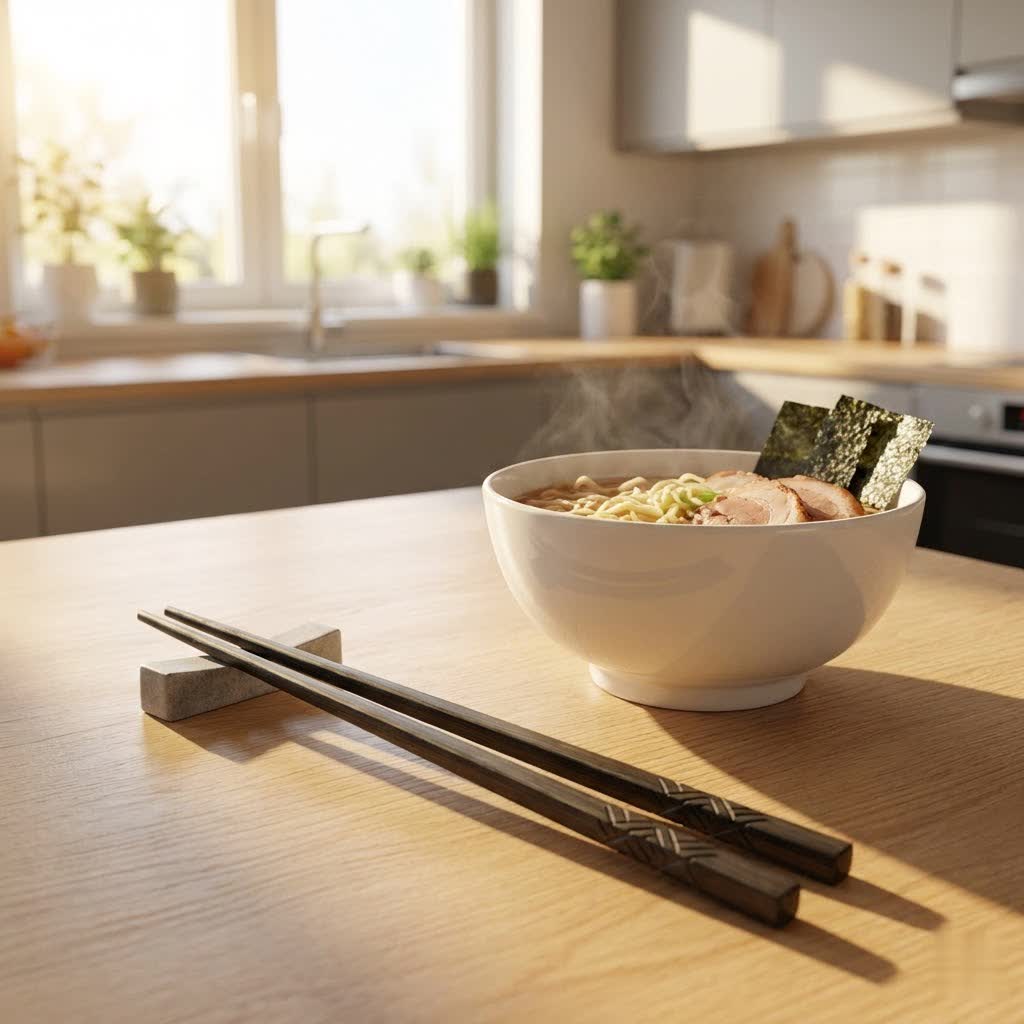
Bamboo chopsticks, with their understated elegance and eco-friendly appeal, bring a touch of natural beauty to any dining experience. But like any cherished wooden utensil, they require a little tender loving care to maintain their pristine condition and extend their lifespan. Over time, frequent washing and daily use can strip bamboo of its natural oils, leading to a dull, dry appearance, and even cracking. If you’re looking to restore their natural luster and protect them from the rigors of the kitchen, polishing your bamboo chopsticks with walnut oil can be a highly effective solution, enriching their texture and enhancing their durability for years of culinary enjoyment.
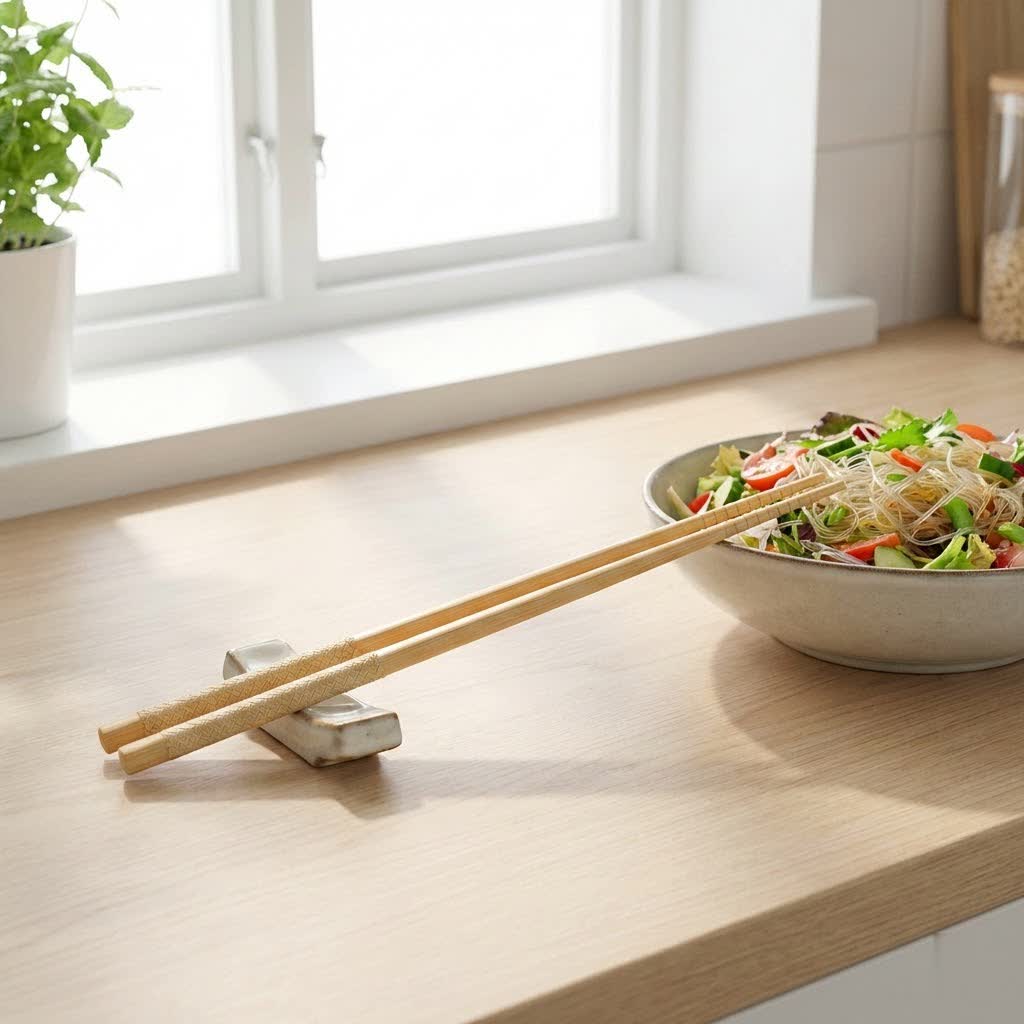
Understanding Your Bamboo Chopsticks
Before delving into the specifics of polishing, it’s essential to understand the material itself. Bamboo, though often treated like wood, is actually a type of grass known for its rapid growth and remarkable strength. This makes it an incredibly sustainable resource for utensils. However, its fibrous nature means bamboo can be susceptible to drying out and becoming brittle if not properly cared for. The constant cycle of washing and drying depletes bamboo’s natural moisture, which is where a nourishing oil treatment, like polishing with walnut oil, becomes invaluable. This conditioning helps to rehydrate the material, preventing common issues such as splintering, warping, and the loss of its inherent sheen.
The Unique Benefits of Walnut Oil for Bamboo Care
When it comes to selecting an oil for your bamboo chopsticks, not all options are created equal. Walnut oil stands out as a preferred choice for many enthusiasts of wooden kitchenware, offering a unique blend of properties that make it highly suitable for bamboo.
Environmental Friendliness: Derived naturally from walnuts, this oil is a sustainable and biodegradable option, aligning perfectly with the eco-conscious nature of bamboo itself. Choosing walnut oil means you’re using a product free from harsh chemicals or petroleum-based derivatives.
Health Safety: For utensils that come into direct contact with food, safety is paramount. Food-grade walnut oil is a safe, natural, and edible finish, ensuring that no harmful substances leach into your meals. It is a “polymerizing oil,” meaning it dries and hardens over time, forming a durable, food-safe barrier that won’t go rancid like many other culinary oils. This distinction is crucial, as some general cooking oils can spoil and leave an unpleasant odor or taste on your utensils. However, it is vital to note that individuals with nut allergies should exercise caution or opt for alternatives like food-grade mineral oil, as walnut oil may still pose a risk.
Durability and Aesthetics: Walnut oil deeply penetrates the bamboo fibers, nourishing them from within. This deep conditioning not only helps prevent drying and cracking but also enhances the natural grain and color of the bamboo, bringing out its inherent warmth and beauty. The protective barrier formed upon drying offers excellent water resistance, helping to repel moisture and stains, which are common culprits for degrading bamboo utensils. The result is chopsticks that are not only more robust and long-lasting but also possess a richer, more lustrous appearance.
Preparing Your Bamboo Chopsticks for Oiling
The secret to a beautifully polished and long-lasting finish begins with proper preparation. Taking the time to thoroughly clean and dry your bamboo chopsticks before applying walnut oil will ensure maximum absorption and optimal results.
Gentle Cleansing is Key: Always hand wash your bamboo chopsticks immediately after use. Harsh dishwashers, with their high heat and aggressive detergents, can severely damage bamboo, leading to warping, cracking, and a dulled finish. Instead, use warm water and a mild dish soap, gently cleaning them with a soft cloth or sponge. Avoid abrasive scrubbers that can scratch the surface. A quick rinse will typically suffice, as prolonged soaking should be avoided.
Thorough Drying is Essential: After washing, it’s crucial to dry your chopsticks completely. Wipe them down immediately with a clean, soft towel, then allow them to air dry fully in a well-ventilated area. Standing them upright in a drying rack is ideal, ensuring all surfaces are exposed to air. Any residual moisture can hinder oil absorption and potentially lead to mold growth, undermining your efforts to protect them. Only proceed to the oiling step once your chopsticks are bone dry.
Inspecting for Damage: Before oiling, take a moment to inspect your chopsticks. Are there any rough spots or minor splinters? For heavily used chopsticks, a very light sanding with fine-grit sandpaper (around 220-grit or higher) can smooth out imperfections. However, this is rarely needed for chopsticks and should be done with extreme care to avoid removing too much material. Ensure any dust is thoroughly wiped away before oiling.
Step-by-Step Guide: Polishing Bamboo Chopsticks with Walnut Oil
With your chopsticks clean and dry, you’re ready to begin the polishing process. This simple ritual will breathe new life into your bamboo utensils.
1. Gather Your Materials:
- Food-grade walnut oil (ensure it’s pure and preferably polymerizing, designed for wood finishes, not just culinary use).
- Several clean, lint-free soft cloths (microfiber cloths or old cotton T-shirts work well).
2. Optional: Warm the Walnut Oil:
Gently warming the walnut oil can help it penetrate the bamboo fibers more effectively. You can do this by placing the bottle in a bowl of warm water for a few minutes, or by microwaving a small amount in a heat-safe dish for 10-15 seconds. Avoid overheating.
3. Apply the Oil:
Pour a small amount of walnut oil onto a clean cloth. Take one chopstick at a time and begin to rub the oil into the bamboo, moving along the grain. Apply a thin, even coat, ensuring all surfaces are covered. Don’t drench the chopsticks; a little oil goes a long way. The bamboo should look slightly damp, not greasy.
4. Allow for Soaking (Curing):
Once all chopsticks are oiled, set them aside on a clean, dry surface or hang them in a way that allows air circulation around them. Let them sit and absorb the oil for a minimum of 8 hours, or ideally, overnight. This allows the oil to penetrate deeply into the bamboo.
5. Buff Off Excess Oil:
After the soaking period, take a fresh, clean, dry cloth and firmly buff off any excess oil from the surface of each chopstick. You want them to feel smooth and dry to the touch, not sticky or greasy. Any unabsorbed oil left on the surface can become tacky.
6. Repeat for Enhanced Protection:
For the best results and a more durable finish, especially for new or very dry chopsticks, consider applying 2-3 additional thin coats of walnut oil, allowing each coat to soak and curing completely for 24-48 hours before buffing and applying the next. This multi-layer application builds up a stronger protective barrier.
7. Final Curing:
After the final buffing, allow the chopsticks to fully cure for at least 24-48 hours before using them. This gives the polymerizing walnut oil time to harden completely.
Maintaining the Shine: Long-Term Care for Oiled Bamboo Chopsticks
Polishing with walnut oil is an investment in the longevity and beauty of your bamboo chopsticks, but it’s just one part of a comprehensive care routine. Consistent daily practices are key to keeping them in top condition.
Regular Re-oiling: How often you re-oil depends on usage. For frequently used chopsticks, a light re-oiling every few weeks to once a month is a good general guideline. If your chopsticks start to look dull, feel dry, or lose their vibrancy, it’s a clear signal they’re ready for another coat. This periodic nourishment will prevent them from drying out and will refresh their protective layer.
Daily Cleaning Habits: Continue to practice gentle hand washing with mild soap and warm water immediately after use. Avoid soaking and never put them in the dishwasher. Prompt and thorough air drying is crucial to prevent moisture damage and mold.
Proper Storage: Store your bamboo chopsticks in a cool, dry place away from direct sunlight, extreme heat, or humidity. A utensil drawer or a dedicated chopstick holder that allows for air circulation is ideal. Avoid stacking them tightly while damp, as this can trap moisture.
Troubleshooting: If, despite oiling, your chopsticks develop persistent stains, a paste made of baking soda and water can gently scrub away discoloration. For odors, a quick rinse with a diluted vinegar solution (1:3 vinegar to water) can be effective, followed by thorough drying. If mold appears, it’s often a sign of insufficient drying or improper storage, and the chopsticks may need to be thoroughly cleaned, dried, and re-oiled. In severe cases, replacement might be necessary to ensure hygiene.
Addressing Concerns: Walnut Oil & Your Health
While walnut oil offers many benefits for bamboo utensils, it’s important to address potential health considerations, particularly regarding nut allergies.
Nut Allergy Warning: Individuals with severe nut allergies should approach walnut oil with extreme caution. Even if the oil is highly refined, there is a risk of residual allergens. While some sources suggest that the proteins causing allergic reactions are removed during the refining and polymerization process, it is best to err on the side of caution. For those with confirmed nut allergies, food-grade mineral oil remains the safest, non-allergenic alternative for conditioning bamboo utensils.
Choosing Wisely: If you do not have a nut allergy, ensure you are using food-grade, pure walnut oil explicitly sold for wood finishing or culinary use where polymerization is a known property. Avoid industrial-grade walnut oils not intended for food contact.
“When selecting oils for kitchen utensils, prioritizing food-grade quality is non-negotiable. While polymerizing oils like walnut oil offer excellent protection, awareness of potential allergens is vital for consumer safety.” – Dr. Anya Sharma, Materials Science Specialist
Choosing the Right Walnut Oil and Where to Buy It
Navigating the market for the right walnut oil can be a bit confusing given the various types available. Here’s what to look for to ensure you get the best product for your bamboo chopsticks:
What to Look For:
- “Food-Grade”: This is paramount for any oil used on kitchen utensils.
- “Pure Walnut Oil”: Avoid blends that might contain other oils or additives unless specifically formulated for food-safe wood finishing.
- “Polymerizing Oil”: This characteristic is what allows walnut oil to dry hard and resist rancidity. Sometimes products specifically marketed for “wood finishing” or “butcher block oil” will highlight this property.
Where to Purchase:
- Specialty Woodworking Stores: These retailers often carry pure, food-grade walnut oil formulated for wood finishes, which is usually the ideal choice.
- Health Food Stores or Gourmet Markets: You might find culinary-grade pure walnut oil here. While these are edible, double-check if they are known for their polymerizing properties, as some culinary oils might not dry as effectively.
- Online Retailers: Many brands specialize in food-safe wood finishes and can be found through online marketplaces. Always read product descriptions and reviews carefully to confirm suitability for food-contact items and its polymerizing nature.
Conclusion
Polishing your bamboo chopsticks with walnut oil is a simple yet profoundly rewarding practice that can dramatically enhance their beauty and extend their life. By understanding the unique properties of bamboo and the protective benefits of walnut oil, you can transform dull, dry utensils into lustrous, resilient pieces that are a joy to use. Remember to prioritize food-grade products, clean thoroughly, apply with care, and allow adequate drying time. With this comprehensive guide, you are now equipped to keep your bamboo chopsticks looking their best, a testament to mindful living and sustainable dining. What other natural solutions have you discovered for caring for your beloved kitchen tools?
Frequently Asked Questions
Is walnut oil truly safe for bamboo, or does it go rancid?
|
Our Picks for the Best Bamboo chopsticks in 2026
As an Amazon Associate I earn from qualifying purchases.
|
||
| Num | Product | Action |
|---|---|---|
| 1 | 100Pairs Bamboo Chopsticks Disposable | Individually Wrapped | Bulk | Separated | Round | Premium Quality-(9.45in) |

|
| 2 | 10Pairs Bamboo Chopsticks Reusable | Dishwasher Safe | Non slip | Chinese -(9.45in) |
|
| 3 | ROYALNA 500 pairs Palillos UV Treated Premium Disposable Bamboo Chopsticks Sleeved and Separated (Bamboo, 500 pairs) |
|
| 4 | 52USA Disposable Bamboo Chopsticks (100 Sets) - 9'' Long, UV Treated, Individually Wrapped Japanese and Chinese Wooden Chopsticks Bulk |
|
| 5 | 1000 Pairs 8 Inch Disposable Chopsticks, Separated Sleeved Individually Wrapped Disposable Bamboo Chopsticks, Bamboo Wooden for Noodles, Sushi, Asian Food |
|
| 6 | 5 pairs of bamboo chopsticks can be reused, classic healthy high-quality natural bamboo chopsticks, can be washed in the dishwasher, 9.8 inches / 25 cm, (pattern: more than every year) |
|
| 7 | Jucoan 100 Pairs Bamboo Chopsticks Reusable, 9.5" Natural Unpainted Non-Slip Bamboo Chop Sticks, Lightweight Bulk Wooden Chopsticks for Home Restaurant Party, Sushi, Noodles |
|
| 8 | Albino Monkey 200 Round Separated Disposable Chopsticks | Best for Sushi | Bamboo Wooden Chinese Chop sticks - Bamboo Chopstick Bulk - Disposable Utensils Premium Quality - (100 Pairs) |
|
| 9 | 10 Pairs Bamboo Chopsticks Reusable, Twisted chopsticks Natural Wooden Chopsticks, 9.06 Inch/23cm Dishwasher Safe Lightweight by LANHUTHS |
|
| 10 | Antner 5 Pairs Natural Bamboo Chopsticks Reusable Classic Japanese Style Chop Sticks Gift Sets, Dishwasher Safe, 8.8 Inch/22.5cm |
|
Pure, food-grade walnut oil that is “polymerizing” is safe for bamboo as it dries hard and forms a protective barrier, preventing rancidity. However, common culinary walnut oils that are not intended to polymerize can go rancid over time, leading to unpleasant odors and tastes. Always look for products specifically marketed as a food-safe wood finish.
How often should I oil my bamboo chopsticks?
The frequency depends on how often you use and wash your chopsticks. A general guideline is to re-oil them every few weeks to once a month, or whenever they appear dry, dull, or lighter in color. Listen to your chopsticks; they will tell you when they need nourishment.
Can I use other oils, like olive oil, instead of walnut oil?
While other food-grade oils like olive oil or vegetable oil are safe to ingest, they are generally not recommended for wood or bamboo utensils because they do not polymerize. This means they can go rancid over time, leaving an unpleasant smell and taste. Food-grade mineral oil is a common and safe alternative that does not go rancid, though it does not provide the same hard-curing finish as polymerizing walnut oil.
What if I have a nut allergy?
If you have a nut allergy, it is strongly recommended to avoid walnut oil due to the potential risk of allergic reactions, even with highly refined oils. For a safe and effective alternative, opt for food-grade mineral oil, which is non-allergenic and widely used for conditioning wooden and bamboo kitchen items.
How do I know if my bamboo chopsticks need oiling?
You’ll notice your bamboo chopsticks need oiling if they start to look dull, faded, or dry. They might also feel rougher to the touch or show slight signs of whitening or cracking. A well-conditioned chopstick will have a subtle sheen and a smooth, rich texture.