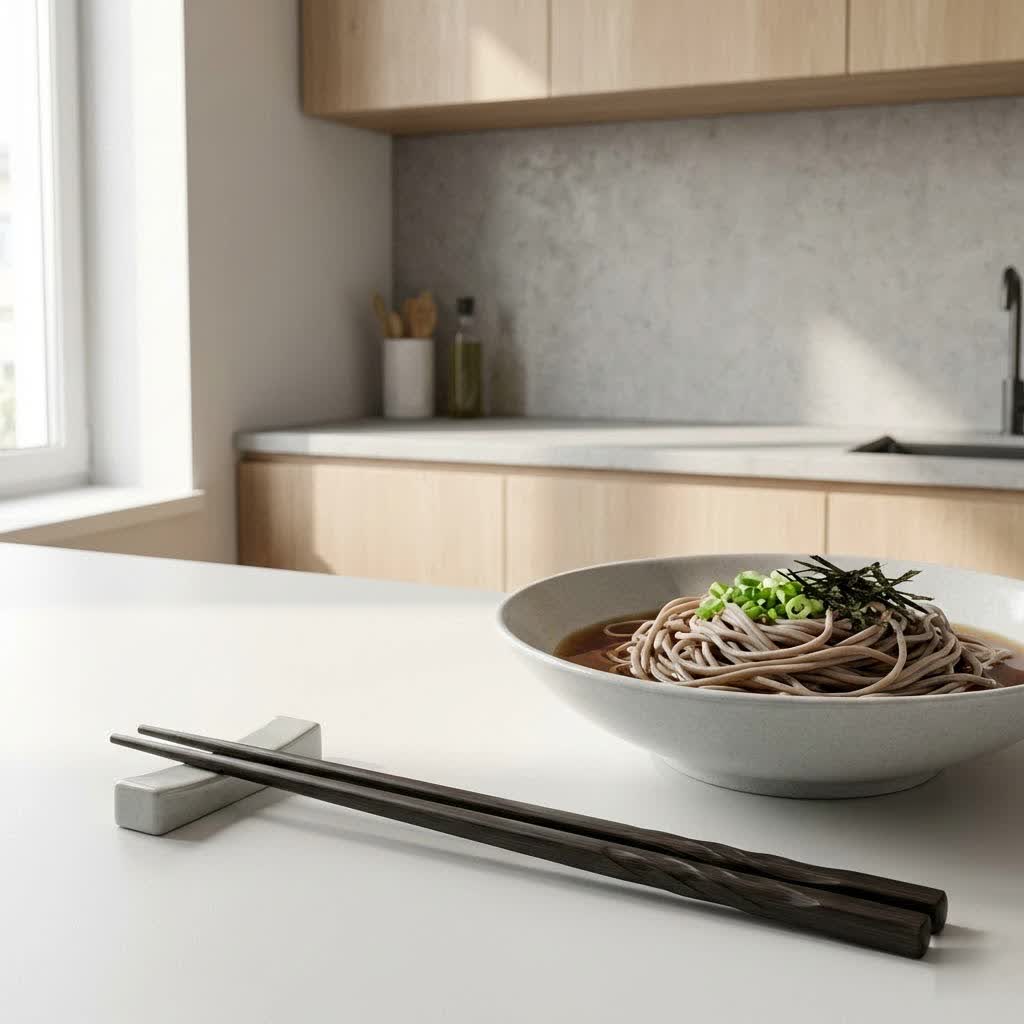
Bamboo chopsticks are celebrated for their eco-friendliness, natural aesthetics, and comfortable grip, making them a popular choice for many households. However, even the most robust bamboo can quickly succumb to damage if not cared for properly. Many users unknowingly make common errors in cleaning, drying, and storage that drastically shorten the lifespan of their beloved utensils. This guide, drawing on over a decade of experience with kitchenware, especially bamboo, will illuminate these pitfalls and equip you with the knowledge to ensure your bamboo chopsticks remain safe, hygienic, and beautiful for years to come.
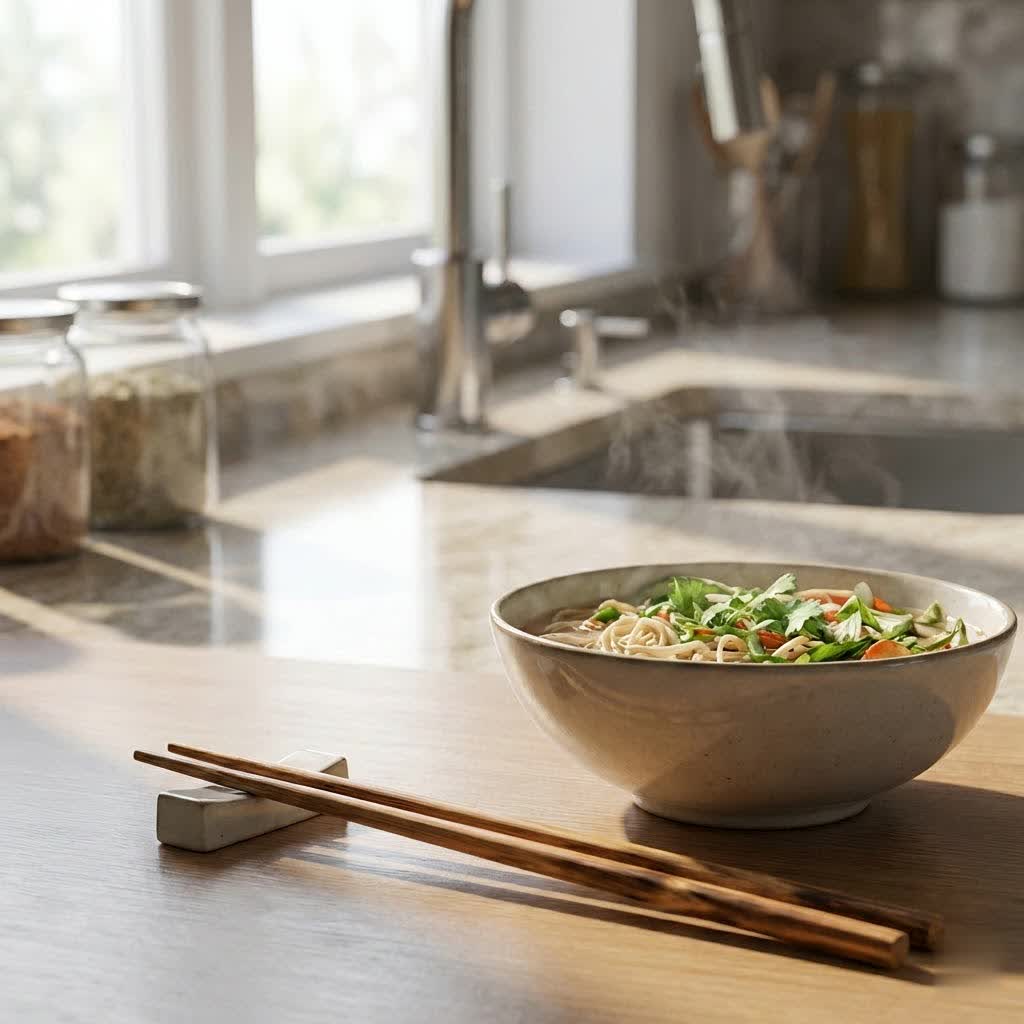
The Silent Killers: Dishwashers and Soaking
Perhaps the most frequent and detrimental mistakes people make with bamboo chopsticks involve how they clean them. The convenience of a dishwasher or the habit of letting dishes soak can quickly turn your eco-friendly utensils into splintered, warped, or moldy messes.
Dishwashers, with their high heat, harsh detergents, and prolonged water exposure, are the archenemy of bamboo. The intense heat and vigorous washing cycles can strip the bamboo of its natural oils, leading to excessive drying, which inevitably causes cracking and splintering. This damage not only ruins the aesthetic appeal but also creates crevices where food particles and bacteria can easily hide, making the chopsticks unhygienic.
Similarly, allowing bamboo chopsticks to soak in water for extended periods is a recipe for disaster. Bamboo is a porous material that readily absorbs moisture. Prolonged soaking causes the bamboo to swell, then contract unevenly as it dries, leading to warping and cracking. More critically, constant dampness creates an ideal breeding ground for mold and bacteria, posing significant health risks. Immediately rinsing and washing is key to preventing food from drying onto the surface and reducing the need for lengthy soaking.
Harsh Cleaners and Abrasive Tools
While the impulse to get your chopsticks thoroughly clean is understandable, using aggressive cleaning agents and tools can be just as damaging as improper washing methods. Harsh chemical detergents, bleach, or strong abrasive cleaners are detrimental to bamboo’s natural finish. These chemicals can penetrate the bamboo fibers, breaking them down, causing discoloration, and potentially leaving behind a residue that can affect the taste of your food and your health.
Instead of harsh chemicals, opt for mild dish soap and warm water. Gentle cleaning is sufficient to remove food debris and grease without stripping the bamboo’s protective layers. When it comes to scrubbing, always use a soft sponge or a small, non-abrasive brush. Metal scrubbers, stiff brushes, or abrasive sponges can scratch the surface of the bamboo, creating tiny grooves that are difficult to clean and can harbor bacteria or encourage splintering. The goal is to clean effectively yet gently, respecting the natural integrity of the bamboo.
The Critical Art of Drying
Many underestimate the importance of proper drying, yet it is arguably the most crucial step in preserving your bamboo chopsticks. Even if you hand-wash them perfectly, inadequate drying can undo all your efforts, leading to mold growth, musty odors, and eventual deterioration.
After washing, immediately towel-dry your chopsticks with a soft, clean cloth. This initial step removes the majority of the surface moisture. Following this, allow them to air-dry completely in a well-ventilated area. Placing them upright in a chopstick holder or laying them flat on a drying rack, ensuring good air circulation around each piece, is ideal. Avoid putting them away wet or semi-wet, especially in enclosed spaces like drawers, as this traps moisture and creates a perfect environment for mold and mildew to flourish. Mold often appears as dark spots that are not only unsightly but also signal unsanitary conditions.
Suboptimal Storage Habits
How and where you store your bamboo chopsticks significantly impacts their longevity. Improper storage can expose them to conditions that accelerate wear and tear, or foster the growth of undesirable microorganisms.
Storing chopsticks in a closed, damp drawer or a tightly sealed container immediately after washing, before they are completely dry, is a common error. This lack of air circulation traps residual moisture, encouraging mold and bacterial growth. Over time, this can lead to persistent musty odors that are difficult to remove and compromise the hygiene of your utensils.
The best practice is to store dry bamboo chopsticks in a clean, dry, and well-ventilated space. A dedicated chopstick holder that allows air to circulate, or a kitchen drawer that is not prone to dampness, is suitable. For decorative or less frequently used sets, a breathable fabric bag or a display stand can also work well. Rotating between several pairs of chopsticks can also help prevent any single set from wearing out too quickly, as it allows them sufficient time to fully dry and “rest” between uses.
Ignoring the Warning Signs: When to Retire Your Chopsticks
Even with the best care, bamboo chopsticks have a finite lifespan. Ignoring the clear signs that your chopsticks are past their prime can pose health risks and diminish your dining experience. Knowing when to retire them is an essential part of responsible use.
- Persistent Odor: If your chopsticks retain a sour, musty, or unpleasant smell even after thorough washing, it’s a strong indicator of bacterial or mold growth deep within the bamboo fibers that cannot be removed.
- Visible Cracks or Splinters: These are not just aesthetic flaws; cracks and splinters create ideal hiding spots for bacteria and can make the chopsticks unsafe to use, potentially leading to painful mouth injuries.
- Mold Spots: Any visible dark spots or fuzzy patches of mold are definitive signs that the chopsticks are no longer hygienic and should be discarded immediately. Attempting to scrub off mold can sometimes be futile, as the spores may have penetrated deeply.
- Fading Finish or Sticky Texture: A significant change in the bamboo’s natural color, a dull or faded appearance, or a persistent sticky/slimy texture can indicate deterioration or the accumulation of residues that are difficult to remove.
- Structural Weakness: If your chopsticks feel unusually flimsy, warped, or easily bendable, their structural integrity is compromised, making them less effective and potentially unsafe for use.
When it’s time to say goodbye, remember that bamboo is a natural, biodegradable material. Many bamboo chopsticks can be composted, repurposed for gardening as plant markers, or used in craft projects, offering an eco-friendly alternative to simply throwing them in the trash.
Beyond Care: Essential Practices for Longevity
To truly maximize the life of your bamboo chopsticks, consider these additional insights and best practices.
Seasoning New Chopsticks: Before the first use, some experts recommend “seasoning” reusable bamboo chopsticks. This involves a simple hand wash with mild soap and warm water, followed by immediate and thorough drying. This helps prepare the bamboo and ensures it’s clean and ready for use.
Gentle Usage: While not a “care” mistake, aggressive use, such as repeatedly stabbing food or using chopsticks to stir boiling hot liquids for extended periods, can contribute to premature wear and tear. Treat them as the delicate, natural tools they are.
“Many users mistakenly believe bamboo is indestructible due to its strength. In reality, it requires a gentle hand and mindful care to truly thrive in the kitchen.” – Admin, reviewsw.com
Conclusion
Bamboo chopsticks offer a sustainable and elegant way to enjoy meals, connecting us to a rich culinary tradition. However, their longevity hinges entirely on avoiding common yet critical mistakes in their care. By understanding the detrimental effects of dishwashers, prolonged soaking, harsh chemicals, improper drying, and poor storage, you can protect your bamboo utensils from warping, cracking, splintering, and mold. Remember to hand wash with mild soap, dry thoroughly, and store in a well-ventilated space. Regularly inspect your chopsticks for signs of wear and retire them responsibly when necessary.
Are you making any of these common mistakes with your bamboo chopsticks? Adopting these simple yet crucial habits will not only extend the life of your bamboo treasures but also ensure a more hygienic and enjoyable dining experience for years to come.
Frequently Asked Questions
Can I put bamboo chopsticks in the dishwasher?
|
Our Picks for the Best Bamboo chopsticks in 2026
As an Amazon Associate I earn from qualifying purchases.
|
||
| Num | Product | Action |
|---|---|---|
| 1 | 10 Pairs Bamboo Chopsticks Reusable, Twisted chopsticks Natural Wooden Chopsticks, 9.06 Inch/23cm Dishwasher Safe Lightweight by LANHUTHS |

|
| 2 | Albino Monkey 200 Round Separated Disposable Chopsticks | Best for Sushi | Bamboo Wooden Chinese Chop sticks - Bamboo Chopstick Bulk - Disposable Utensils Premium Quality - (100 Pairs) |
|
| 3 | Antner 5 Pairs Natural Bamboo Chopsticks Reusable Classic Japanese Style Chop Sticks Gift Sets, Dishwasher Safe, 8.8 Inch/22.5cm |
|
| 4 | 1000 Pairs 8 Inch Disposable Chopsticks, Separated Sleeved Individually Wrapped Disposable Bamboo Chopsticks, Bamboo Wooden for Noodles, Sushi, Asian Food |
|
| 5 | 5 pairs of bamboo chopsticks can be reused, classic healthy high-quality natural bamboo chopsticks, can be washed in the dishwasher, 9.8 inches / 25 cm, (pattern: more than every year) |
|
| 6 | ROYALNA 500 pairs Palillos UV Treated Premium Disposable Bamboo Chopsticks Sleeved and Separated (Bamboo, 500 pairs) |
|
| 7 | 10Pairs Bamboo Chopsticks Reusable | Dishwasher Safe | Non slip | Chinese -(9.45in) |
|
| 8 | 100Pairs Bamboo Chopsticks Disposable | Individually Wrapped | Bulk | Separated | Round | Premium Quality-(9.45in) |
|
| 9 | Jucoan 100 Pairs Bamboo Chopsticks Reusable, 9.5" Natural Unpainted Non-Slip Bamboo Chop Sticks, Lightweight Bulk Wooden Chopsticks for Home Restaurant Party, Sushi, Noodles |
|
| 10 | 52USA Disposable Bamboo Chopsticks (100 Sets) - 9'' Long, UV Treated, Individually Wrapped Japanese and Chinese Wooden Chopsticks Bulk |
|
No, it is highly recommended to avoid putting bamboo chopsticks in the dishwasher. The high heat, harsh detergents, and prolonged water exposure can cause them to warp, crack, splinter, and encourage mold growth, significantly shortening their lifespan.
How do I prevent mold on my bamboo chopsticks?
To prevent mold, always hand wash your chopsticks immediately after use with mild soap and warm water. Then, dry them thoroughly with a towel and allow them to air-dry completely in a well-ventilated area before storing them in a dry place.
What kind of soap should I use for bamboo chopsticks?
You should use a mild dish soap and warm water for cleaning bamboo chopsticks. Avoid harsh chemical detergents or bleach, as these can damage the bamboo’s natural finish and leave chemical residues.
How long do bamboo chopsticks typically last?
With proper care, reusable bamboo chopsticks can last for several years. However, their lifespan depends on usage frequency and maintenance. Regularly inspect them for cracks, splinters, persistent odors, or mold, and replace them when these signs appear.
Is it safe to soak bamboo chopsticks in water?
No, it is not safe to soak bamboo chopsticks in water for extended periods. Bamboo is porous and absorbs water, which can lead to warping, cracking, and create a breeding ground for mold and bacteria. Always wash and dry them promptly.
What are the signs that I should replace my bamboo chopsticks?
You should replace your bamboo chopsticks if you notice persistent odors, visible cracks, splinters, dark mold spots, a sticky texture, or if they feel structurally weak or warped. These are indicators that they may no longer be hygienic or safe to use.