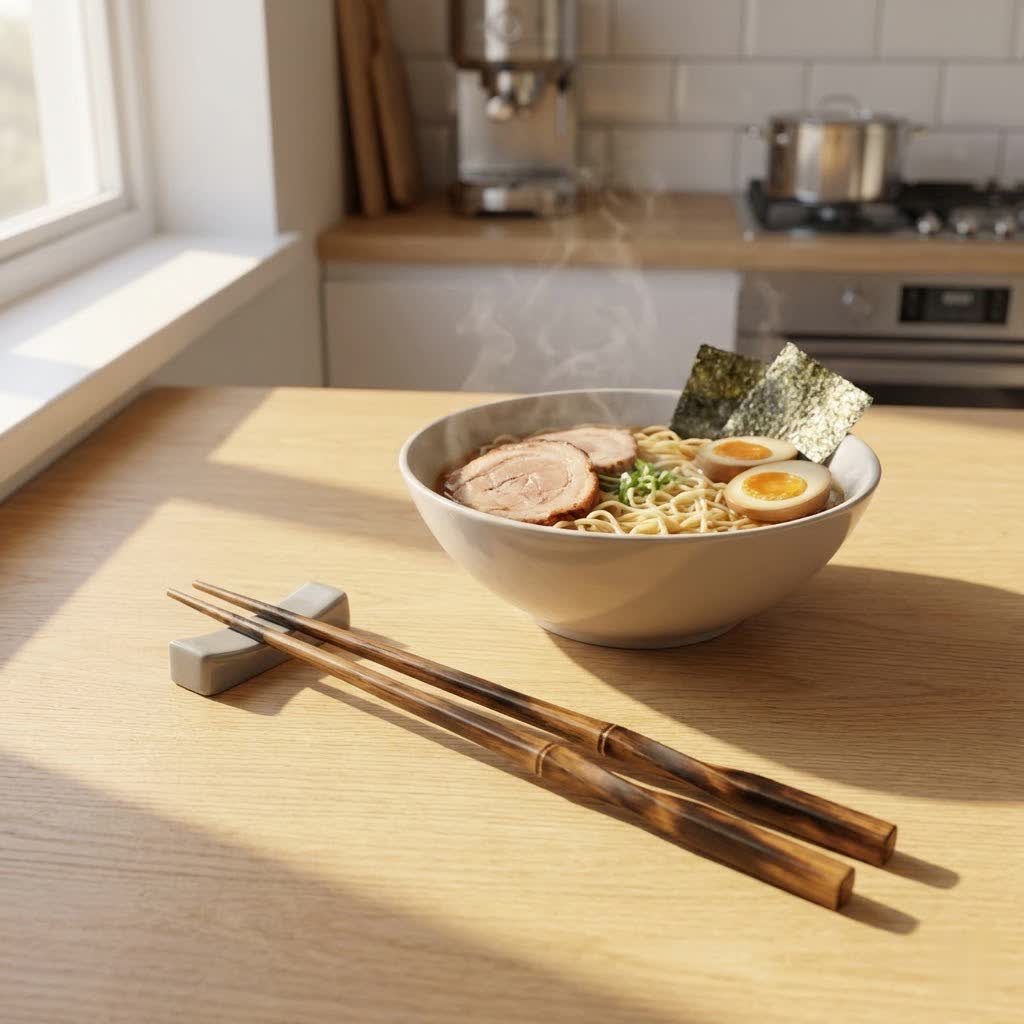
Chopsticks are more than just eating utensils; they are an integral part of culinary traditions across Asia and increasingly popular worldwide. From bustling street food stalls to elegant dining rooms, these simple tools connect us to a rich heritage of flavors and communal meals. However, beneath their seemingly innocuous appearance, especially in cheap, mass-produced varieties, lie potential health hazards that every conscious consumer should be aware of. This guide delves into the specific chemical dangers, such as formaldehyde in melamine chopsticks and sulfur dioxide in disposable wood and bamboo options, offering practical advice to help you make informed and safe choices for your household.
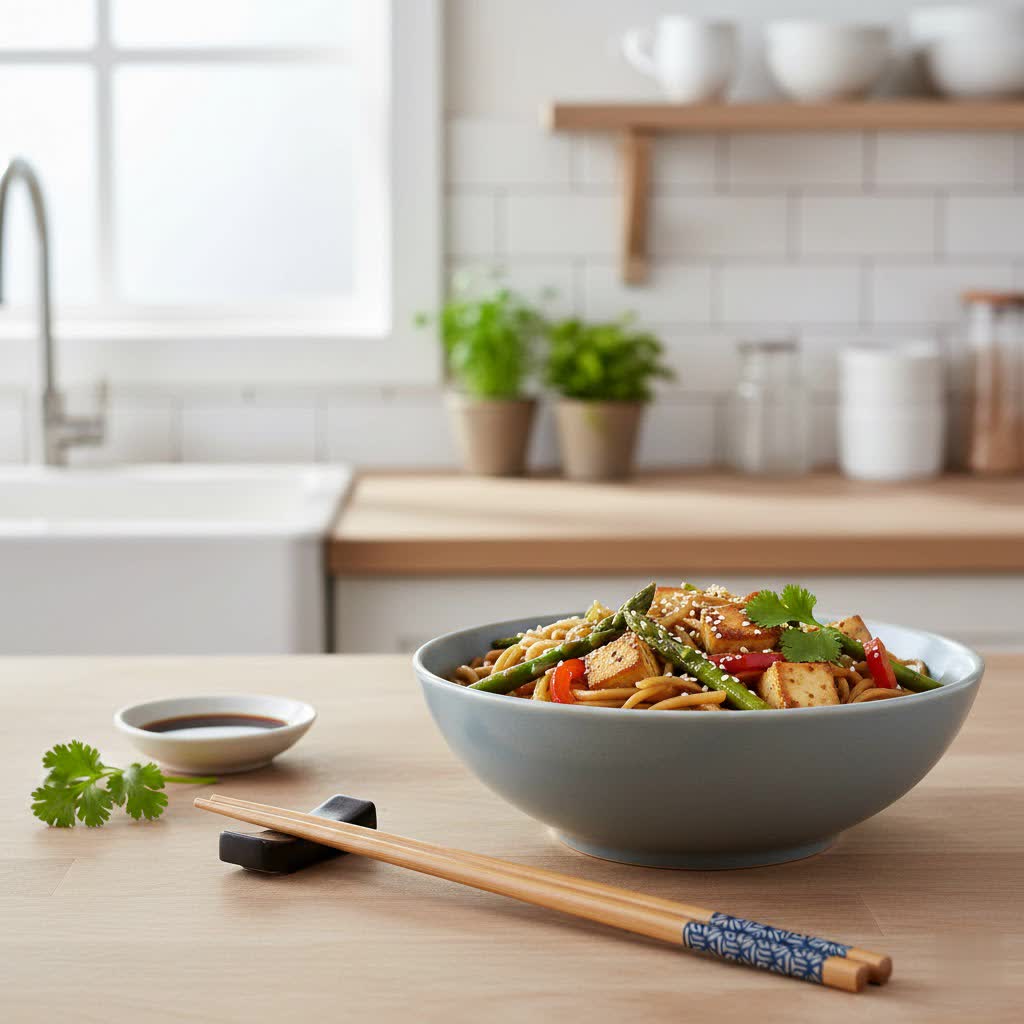
Chopsticks: A Daily Utensil with Potential Unseen Hazards
The history of chopsticks spans millennia, with their evolution intertwined with the culinary practices of numerous cultures. Today, they come in a variety of materials including wood, bamboo, plastic, and metal, each with its unique aesthetic and functional properties. While many options are safe and durable, the proliferation of inexpensive, mass-produced chopsticks, particularly disposable ones, has introduced health concerns that demand our attention. The drive for cost-efficiency can sometimes lead manufacturers to use processes and chemicals that compromise user safety.
The Formaldehyde Factor: When Melamine Chopsticks Pose a Risk
Formaldehyde is a colorless, pungent-smelling gas widely used in various industrial applications, including the production of resins. In the context of chopsticks, formaldehyde is a key component in melamine resin, the plastic compound from which many reusable plastic chopsticks are made. While stable under normal conditions, melamine chopsticks can become a source of concern when exposed to heat. Studies indicate that when melamine-based products come into contact with temperatures above 40 degrees Celsius (104 degrees Fahrenheit), and especially at 70 degrees Celsius (158 degrees Fahrenheit), which is the decomposition point for melamine resin, harmful substances, including formaldehyde, can leach into food.
Exposure to formaldehyde through contaminated chopsticks can lead to various adverse health effects. Short-term symptoms may include irritation of the eyes, nose, and throat, watery eyes, nausea, and difficulty breathing. For individuals with asthma, high concentrations can even trigger attacks. Long-term exposure to formaldehyde is more serious, as it is classified as a human carcinogen, linked to respiratory problems, skin issues, and an increased risk of certain cancers. Therefore, caution is paramount when using plastic chopsticks, especially with hot liquids or dishes that require high-temperature cooking.
Beyond Formaldehyde: The Dangers of Sulfur Dioxide in Disposable Chopsticks
While formaldehyde is primarily associated with plastic melamine chopsticks, disposable wooden and bamboo chopsticks present a different set of chemical concerns, most notably sulfur dioxide. To achieve a uniform pale color and act as a preservative, many cheap disposable chopsticks are treated with sulfur dioxide during their manufacturing process. This chemical treatment, which may also involve acids and bleaches, aims to mask inferior wood quality and prevent mold growth.
However, the presence of sulfur dioxide can pose significant health risks. A Chinese consumer council warned that sulfur dioxide from throwaway chopsticks has been linked to an increase in asthma and respiratory problems. Other reported health effects include difficulty breathing, diarrhea, nausea, and allergic reactions in sensitive individuals. Consumers can often identify chopsticks treated with excessive bleaching by their unnaturally pale color and a distinct sour, chemical smell. One common suggestion to mitigate this risk is to immerse disposable chopsticks in hot water for two to three minutes before use, which can help to neutralize some of the sulfur dioxide.
A Consumer’s Guide to Choosing Safe Chopsticks
Making informed choices about your chopsticks is crucial for ensuring dining safety. Here’s a checklist to guide you:
- Material Choice:
- Reusable Natural Wood/Bamboo: These are generally excellent choices, provided they are untreated and have a natural finish. Look for products that specify no added chemicals, bleaches, or dyes.
- Stainless Steel: Highly durable, non-leaching, easy to clean, and entirely recyclable. Stainless steel chopsticks are considered one of the safest and most hygienic options.
- Ceramic: Another safe and elegant choice, ceramic chopsticks are non-porous and do not leach chemicals.
- Melamine (Plastic): Use these with extreme caution. Strictly avoid using melamine chopsticks with hot foods, especially oily or acidic dishes, to prevent the leaching of formaldehyde. If you must use them, reserve them for cold or room-temperature items only.
- Visual and Olfactory Inspection: Before using any chopsticks, especially disposable ones, take a moment to inspect them. Avoid those with an unnaturally pale or bleached appearance. A strong, sour, or chemical odor is a significant red flag. For wooden or bamboo chopsticks, ensure they are smooth and free of splinters or rough patches that could harbor bacteria or indicate poor processing. For reusable options, check for cracks, chips, or discoloration that might compromise their integrity.
- Certifications and Brands: Whenever possible, choose chopsticks from reputable brands that adhere to food safety standards. Look for certifications or clear labeling that indicates the product is food-grade and free from harmful chemicals.
Best Practices for Using and Maintaining Your Chopsticks
Proper usage and maintenance can significantly extend the life of your chopsticks and, more importantly, ensure their safety.
- Initial Wash: Always wash new chopsticks thoroughly before their first use. For wooden or bamboo varieties, a gentle wash with warm soapy water and a complete air dry is recommended.
- Cleaning: Hand washing is generally recommended for wooden and bamboo chopsticks to preserve their material and prevent damage from harsh dishwasher detergents or extreme heat. Stainless steel and some ceramic or high-quality plastic chopsticks are often dishwasher-safe. Always avoid abrasive scrubbers that could damage the surface.
- Drying & Storage: This step is critical, particularly for natural materials. Ensure wooden and bamboo chopsticks are completely air-dried before storage to prevent mold growth. Store them in a dry, well-ventilated area, ideally in a chopstick holder that allows for airflow.
- When to Replace: Even the best chopsticks have a lifespan. Discard any chopsticks that show signs of damage, such as cracks, splinters, discoloration, or mold. For plastic chopsticks, any signs of melting, warping, or fading suggest degradation and potential chemical release. Replacing them promptly is vital for hygiene and safety. Avoid using melamine/plastic chopsticks with very hot oil or boiling liquids to prevent chemical leaching.
Embracing Sustainable and Healthy Chopstick Habits
The concerns surrounding chemical contamination in cheap chopsticks are intertwined with broader environmental issues. The mass production of disposable chopsticks contributes significantly to deforestation, with millions of trees harvested annually for single-use items that are quickly discarded. This practice not only depletes natural resources but also highlights a linear consumption model that is unsustainable.
Embracing reusable chopsticks is a powerful way to mitigate both health risks and environmental impact. Investing in a quality set of personal chopsticks—be they untreated bamboo, elegant wood, or durable stainless steel—offers a healthier and more sustainable alternative. Many environmentally conscious diners in Asian countries have adopted the “Maebashi” practice, carrying their own personal chopsticks when dining out. This simple act reduces demand for disposable options, minimizes exposure to potentially harmful chemicals, and supports a more circular economy. By choosing quality and committing to reusability, you make a conscious decision to prioritize your health and contribute positively to planetary well-being.
Frequently Asked Questions
Are all bamboo chopsticks safe?
|
Our Picks for the Best Bamboo chopsticks in 2026
As an Amazon Associate I earn from qualifying purchases.
|
||
| Num | Product | Action |
|---|---|---|
| 1 | Jucoan 100 Pairs Bamboo Chopsticks Reusable, 9.5" Natural Unpainted Non-Slip Bamboo Chop Sticks, Lightweight Bulk Wooden Chopsticks for Home Restaurant Party, Sushi, Noodles |

|
| 2 | 100Pairs Bamboo Chopsticks Disposable | Individually Wrapped | Bulk | Separated | Round | Premium Quality-(9.45in) |
|
| 3 | 10 Pairs Bamboo Chopsticks Reusable, Twisted chopsticks Natural Wooden Chopsticks, 9.06 Inch/23cm Dishwasher Safe Lightweight by LANHUTHS |
|
| 4 | Antner 5 Pairs Natural Bamboo Chopsticks Reusable Classic Japanese Style Chop Sticks Gift Sets, Dishwasher Safe, 8.8 Inch/22.5cm |
|
| 5 | 10Pairs Bamboo Chopsticks Reusable | Dishwasher Safe | Non slip | Chinese -(9.45in) |
|
| 6 | 52USA Disposable Bamboo Chopsticks (100 Sets) - 9'' Long, UV Treated, Individually Wrapped Japanese and Chinese Wooden Chopsticks Bulk |
|
| 7 | 1000 Pairs 8 Inch Disposable Chopsticks, Separated Sleeved Individually Wrapped Disposable Bamboo Chopsticks, Bamboo Wooden for Noodles, Sushi, Asian Food |
|
| 8 | 5 pairs of bamboo chopsticks can be reused, classic healthy high-quality natural bamboo chopsticks, can be washed in the dishwasher, 9.8 inches / 25 cm, (pattern: more than every year) |
|
| 9 | ROYALNA 500 pairs Palillos UV Treated Premium Disposable Bamboo Chopsticks Sleeved and Separated (Bamboo, 500 pairs) |
|
| 10 | Albino Monkey 200 Round Separated Disposable Chopsticks | Best for Sushi | Bamboo Wooden Chinese Chop sticks - Bamboo Chopstick Bulk - Disposable Utensils Premium Quality - (100 Pairs) |
|
Not all bamboo chopsticks are equally safe. While reusable, untreated bamboo chopsticks are generally considered a healthy and eco-friendly choice, many disposable bamboo chopsticks are treated with sulfur dioxide for bleaching and preservation, which can pose health risks.
How can I detect formaldehyde in my chopsticks?
Formaldehyde is primarily a concern with melamine (plastic) chopsticks, not typically wood or bamboo. You cannot reliably detect formaldehyde by sight or smell in chopsticks. The risk comes when melamine chopsticks are exposed to high temperatures (above 40°C/104°F), which can cause formaldehyde to leach. The best practice is to avoid using melamine chopsticks with hot food or liquids.
What are the safest chopstick materials?
Untreated natural wood or bamboo, stainless steel, and ceramic chopsticks are generally considered the safest options. These materials are non-reactive and do not typically leach harmful chemicals into food when properly used and maintained.
Can cheap disposable chopsticks cause asthma?
Yes, cheap disposable wooden and bamboo chopsticks can sometimes cause or exacerbate asthma. This is often due to the presence of sulfur dioxide, a chemical used for bleaching and preservation during their manufacturing, which can irritate the respiratory system and trigger asthma attacks in sensitive individuals.
How often should I replace reusable chopsticks?
The replacement frequency for reusable chopsticks depends on their material and usage. Inspect them regularly for signs of wear, such as cracks, splinters, discoloration, or mold. For wooden and bamboo chopsticks, replace them if they become damaged or show persistent staining/odor. Stainless steel or ceramic chopsticks can last many years if properly cared for, but should be replaced if they chip, warp, or rust.